
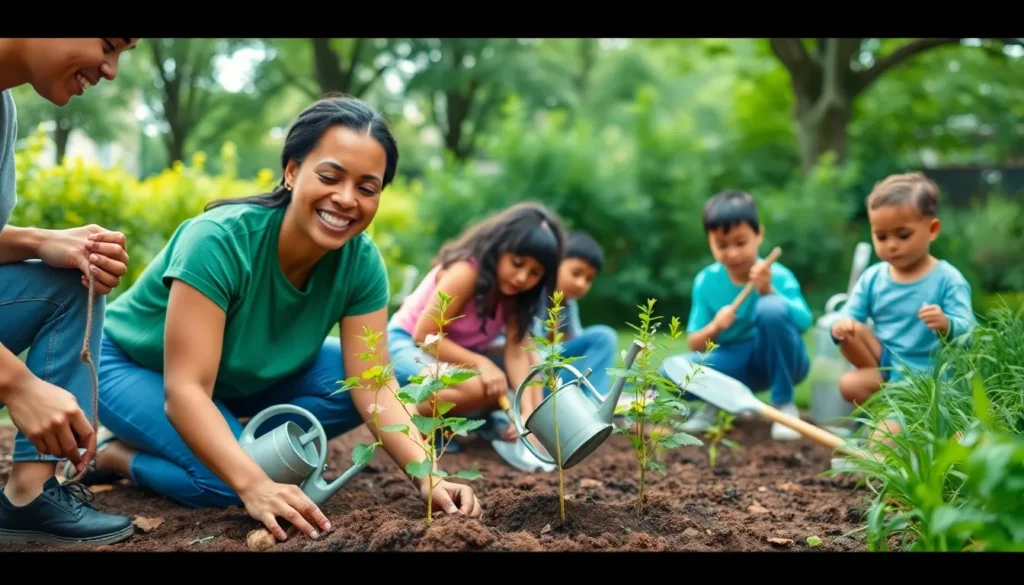
In a world where urban jungles seem to be sprouting faster than actual jungles, tree planting initiatives are stepping up to the plate like eco-friendly superheroes. Imagine a future where clean air and vibrant green spaces become the norm rather than the exception. Sounds dreamy, right? Well, it’s not just a pipe dream; it’s happening right now, one sapling at a time.
Overview of Tree Planting Initiatives
Tree planting initiatives gained traction due to increased awareness of urbanization’s environmental impact. Many cities face air pollution and decreased green spaces, prompting various organizations to address these challenges. Procedures usually involve local communities, schools, and governments collaborating to promote sustainable practices.
Different programs target distinct regions and demographics, focusing on influencing awareness and participation. For instance, some initiatives aim at reforesting areas affected by logging, while others prioritize urban tree canopies. Statistics show that urban tree planting can reduce air pollution by up to 30%, providing significant health benefits.
Furthermore, education plays a vital role in these initiatives. Workshops and hands-on activities help participants understand the importance of trees in combatting climate change. They learn how trees sequester carbon dioxide, improve air quality, and enhance urban biodiversity.
Numerous non-profit organizations also contribute by offering resources and support for community-led projects. These groups frequently provide seedlings, tools, and expertise, enabling local leaders to execute effective planting strategies. Engaging youth in tree planting activities instills a sense of responsibility towards the environment, fostering a sustainable future.
Various tree planting initiatives emphasize collaboration, education, and community engagement. Each initiative creates a more resilient urban landscape, ensuring that citizens enjoy cleaner air and increased green spaces. The growing momentum of these efforts suggests a commitment to reversing environmental degradation while improving urban life quality.
Types of Tree Planting Initiatives
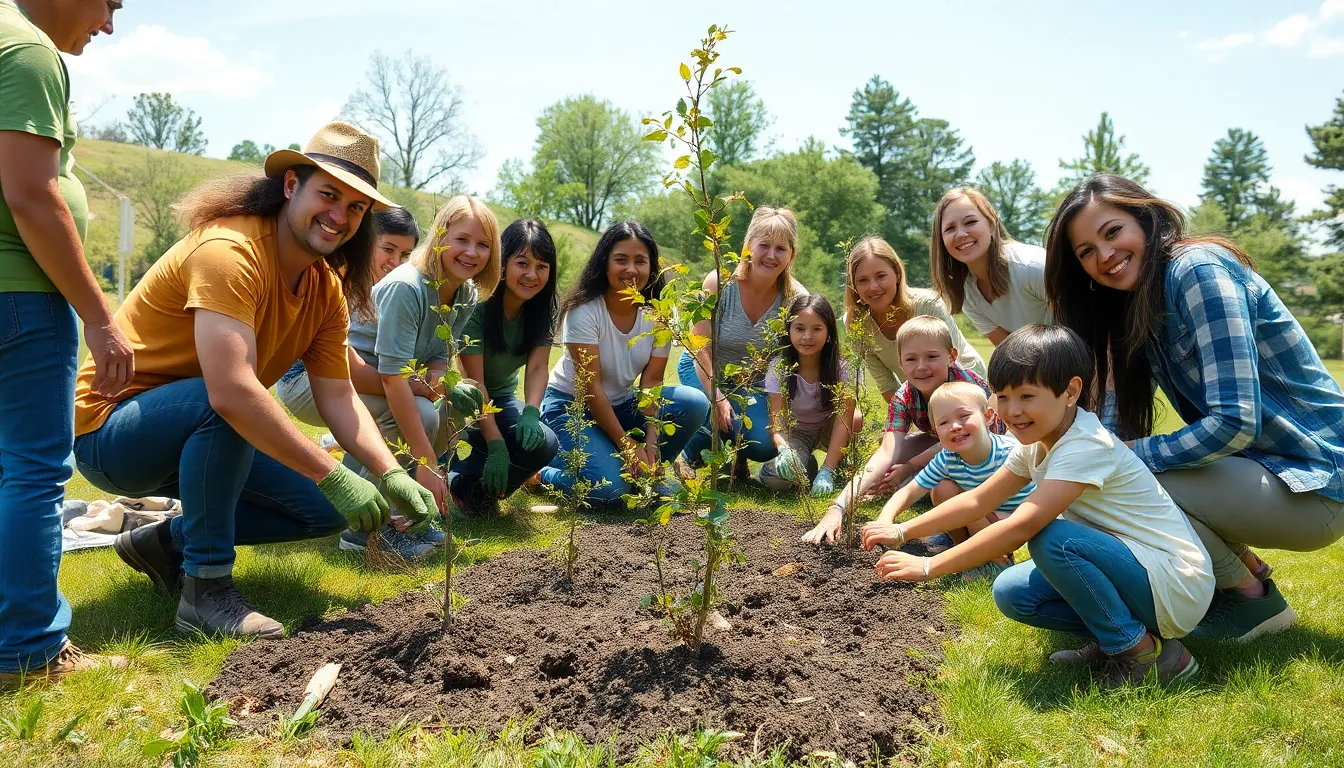
Various types of tree planting initiatives address distinct environmental challenges, harnessing community engagement and governmental support to foster positive change.
Community-Based Programs
Community-based programs focus on local involvement for effective implementation. Residents often partner with organizations to plant trees in parks, schools, and along streets. Engagement promotes awareness of ecological benefits, as participants learn about reducing air pollution and enhancing biodiversity. Many of these programs provide educational workshops to instill a sense of environmental stewardship. Statistics reflect significant contributions, as community-led efforts can result in thousands of trees planted annually. Collaboration across local entities, such as non-profits and schools, strengthens the impact of these initiatives, building a more eco-conscious society.
Government-Led Efforts
Government-led efforts typically emphasize larger scale tree planting projects. Many municipalities develop programs aimed at reforesting public lands and enhancing urban green spaces. Initiatives may target areas most affected by pollution, addressing air quality through strategic tree placements. Government funding often supports educational campaigns, promoting the importance of urban forestry. With statistics indicating urban tree planting can reduce air pollution by up to 30%, these efforts show significant promise. Partnerships with non-profit organizations amplify the effectiveness, driving progress towards greener cities while creating healthier environments for residents.
Benefits of Tree Planting Initiatives
Tree planting initiatives offer substantial benefits that impact both the environment and society. These efforts contribute to healthier ecosystems and foster community engagement.
Environmental Impact
Tree planting initiatives significantly enhance air quality. Urban areas with increased tree cover can experience a reduction in air pollution by up to 30%. Trees also absorb carbon dioxide, playing an essential role in combatting climate change. Biodiversity benefits as newly planted trees provide habitat for various species, supporting local wildlife. Furthermore, trees help prevent soil erosion and manage stormwater, improving overall urban resilience against flooding. Greener spaces promote urban cooling, which can lower energy consumption in nearby buildings.
Social Advantages
Community bonding strengthens through tree planting initiatives. Engaging local residents fosters a sense of ownership and responsibility towards their environment. Educational programs associated with these initiatives impart knowledge about ecological stewardship, linking individuals to sustainability goals. Youth involvement encourages a new generation to embrace environmental consciousness. Mental health improves as access to green spaces increases, offering recreational opportunities and reducing stress. Neighborhood aesthetics enhance with the addition of trees, creating visually appealing surroundings that attract visitors and potential residents.
Challenges Faced by Tree Planting Initiatives
Tree planting initiatives encounter various challenges affecting their progress and effectiveness. Addressing these obstacles is essential for maximizing their potential.
Funding and Resources
Securing adequate funding remains a significant hurdle for many tree planting programs. Numerous initiatives rely on grants and donations, which can be unpredictable. Limited access to financial resources restricts the number of trees that can be planted and maintained. Additionally, finding appropriate tools can also be challenging for community-led projects. Without proper resources, projects may struggle to achieve their desired goals. Organizations often seek partnerships with businesses and governments to alleviate these financial burdens and enhance project sustainability.
Community Engagement
Engaging local communities is crucial yet often difficult for tree planting initiatives. Active participation fosters a sense of ownership and responsibility among residents. However, some efforts fail to resonate with the community, leading to low involvement. Effective communication and outreach are vital for organizing successful events and educating participants on the environmental benefits of trees. Understanding community needs and tailoring projects accordingly increases interest and support. Collaborative efforts between organizations, schools, and residents can enhance participation and create lasting environmental impacts.
Successful Case Studies
Various successful tree planting initiatives demonstrate the effectiveness of community involvement and strategic planning. One notable example is the Million Tree Initiative in Los Angeles. This campaign aims to plant one million trees across the city, targeting areas impacted by air pollution and lack of green spaces. Over 200,000 trees have already been planted, showcasing significant collaboration between non-profits, local government, and residents.
Another impactful project is TreePeople, also based in Los Angeles. This organization integrates volunteers into its reforestation efforts, helping to plant trees in local parks and schools. Educational workshops about the importance of trees accompany each planting event, emphasizing ecological benefits.
In Lagos, Nigeria, the Green Lagos Initiative addresses urban heat and deforestation through community-based efforts. Local groups actively engage citizens to plant trees in urban settings, enhancing the city’s biodiversity. The initiative has led to over 200,000 trees planted, boosting both environmental resilience and community ownership.
Planting Hope in India focuses on restoring degraded land through tree planting. By collaborating with rural communities, this initiative has planted over 1.5 million trees, improving soil quality and increasing local food production. Workshops train participants in sustainable agricultural practices alongside tree planting.
The Trees for Cities program in the UK emphasizes urban tree canopy expansion. Initiatives in multiple cities have involved schools and businesses working together to plant native trees. This program highlights the importance of sustainability and education, fostering a sense of responsibility among students and residents.
Measurable impacts from these case studies reveal enhancements in air quality and biodiversity. Urban areas benefit immensely from tree planting programs, with cities experiencing up to a 30% reduction in air pollution. Through engaging communities and focusing on educational outreach, these initiatives illustrate effective strategies for promoting environmental health and resilience.
Tree planting initiatives represent a powerful movement toward creating healthier urban environments. By fostering community involvement and collaboration with various organizations, these efforts are transforming cities into greener spaces. The benefits extend beyond aesthetics; improved air quality and enhanced biodiversity contribute to overall public health and well-being.
As awareness continues to grow, the importance of education and youth engagement becomes increasingly clear. These initiatives not only combat climate change but also instill a sense of responsibility in future generations. With ongoing support and innovative strategies, tree planting can lead to a more sustainable and resilient urban landscape that enriches lives for years to come.