
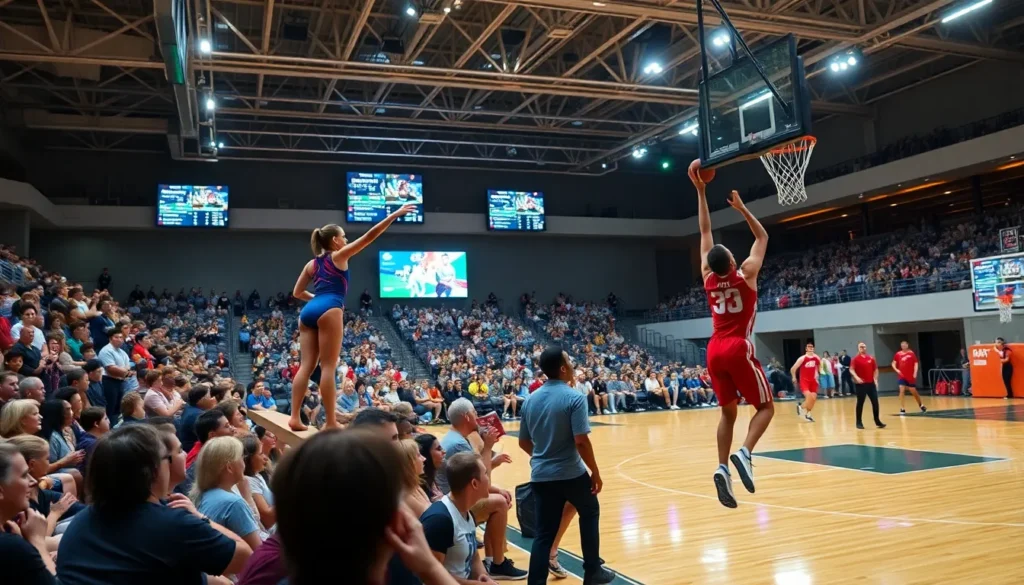
In the fast-evolving world of sports, staying updated with the latest developments is crucial for fans, competitors, and stakeholders alike. Recently, the spotlight has shifted to the Arate Competitions and their new partnership tied to the Plateau Deal. This collaboration is not just another business transaction: it signifies a pivotal moment that could redefine competitive landscapes in various sports categories. This article delves into what the Arate Competitions entail, unpacks the nuances of the Plateau Deal, and explores the broader implications for the sports community.
Overview of Arate Competitions
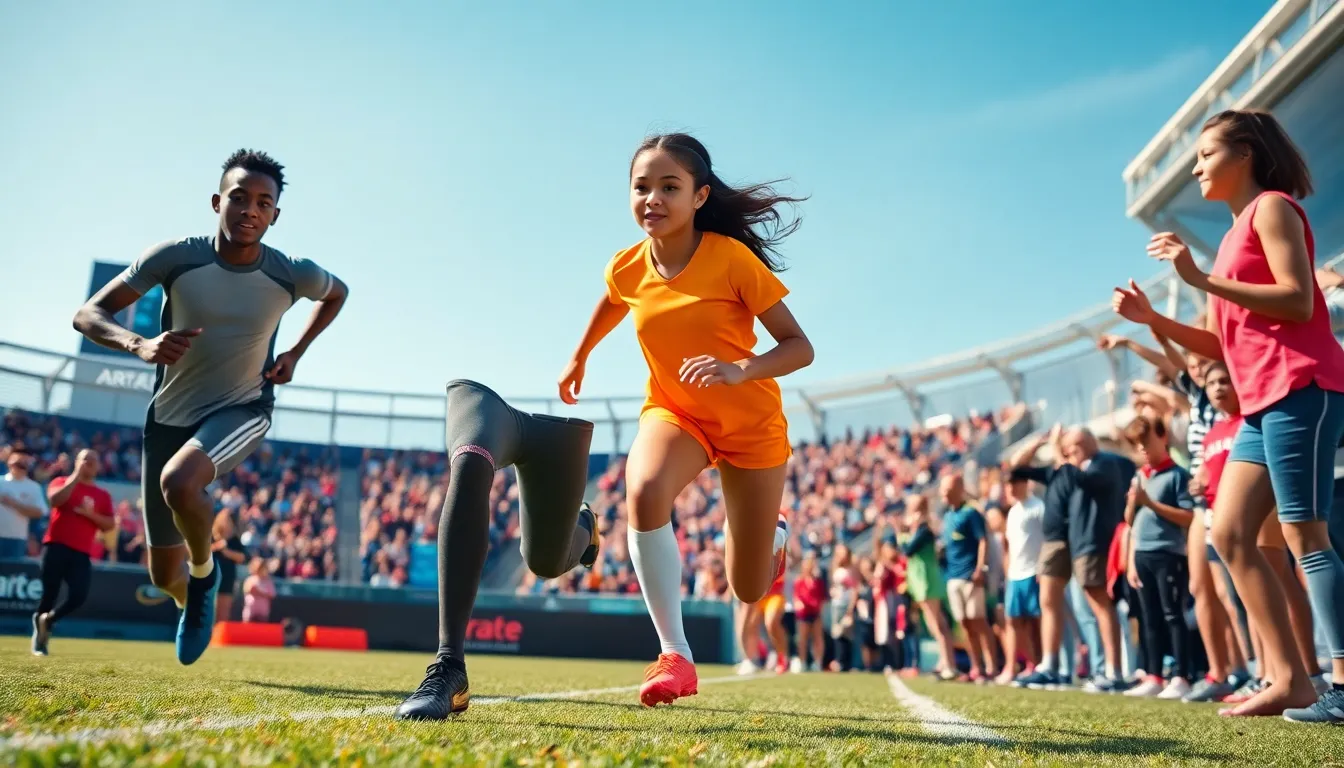
Arate Competitions have rapidly emerged as a groundbreaking platform for athletes, aiming to elevate performance standards across various sports. Designed to integrate technology and innovation, these competitions strive to create environments where both emerging and established athletes can showcase their skills to a broader audience. The platform emphasizes inclusivity, allowing participants from diverse backgrounds and skill levels to compete.
Notably, the format of Arate Competitions emphasizes fairness and transparency, crucial attributes that resonate well with participants and fans. Utilizing advanced analytics and real-time feedback, Arate aims to optimize athlete performance while ensuring that every competitor receives recognition for their efforts. From thrilling sprint races to skill-based ball games, the competition structure is designed to engage participants and spectators alike, keeping the excitement at an all-time high.
Understanding the Plateau Deal
The Plateau Deal represents a strategic partnership between the Arate Competitions and various key stakeholders, including sponsors, sports organizations, and technology providers. This alliance focuses on fostering innovation, enhancing athlete experiences, and creating sustainable business models for sporting events.
What sets the Plateau Deal apart is its emphasis on transparency and adaptability. In a landscape where traditional sponsorship models are being re-evaluated, the Plateau Deal seeks to create value through enhanced fan engagement and direct athlete support. By leveraging technology, the deal aims to provide live-streaming of competitions, AI-driven performance insights, and interactive platforms that enhance viewer experiences.
Also, the Plateau Deal is expected to address financial sustainability issues, helping to ensure that the competitions can continue to thrive in an increasingly competitive environment. Through collaborations with brands that resonate with younger audiences, the deal is poised to redefine how sports are marketed and consumed.
Impact of the Plateau Deal on Arate Competitions
The influence of the Plateau Deal on Arate Competitions is poised to be transformative. This collaboration introduces a level of financial backing and technological support that was previously unattainable. Athletes can expect improved facilities, enhanced training programs, and robust marketing that increases their visibility.
One significant aspect of this partnership is the potential for increased prize pools, which could attract top talents from various sports disciplines. With higher stakes, Arate Competitions could see enhanced participation, drawing in both local and international talent. Also, the addition of augmented reality experiences and interactive media may deliver unique ways for fans to engage with the competitions, enriching the overall spectator experience.
The deal also aims to foster grassroots initiatives, encouraging younger athletes to participate in competitive sports. By investing in educational programs and community outreach, the Plateau Deal is committed to elevating the future of sports and ensuring that new generations of athletes can discover and cultivate their talents.
Future Trends in Sports Competitions
As the sports landscape continues to evolve, several trends are likely to shape the future of competitions. The integration of technology is becoming a cornerstone for engagement, with many organizations turning to virtual reality and augmented reality to create immersive experiences for fans and participants alike.
Also, inclusivity and diversity are more than just buzzwords: they are becoming essential pillars for future competitions. Expectations for platforms that support a diverse array of athletes will continue to rise as sports organizations strive to resonate with a broader audience. Sponsorship strategies will also shift, with brands seeking authentic connections rather than mere visibility.
Finally, the concept of competition is expanding beyond traditional settings. With the rise of eSports and remote competitions, the definition of what it means to be a competitor is shifting. This flexibility may lead to new formats and possibilities, further engaging younger audiences and transforming the competitive landscape.
Engagement Strategies for Competitors and Fans
Engagement strategies play a crucial role in enhancing the relationship between competitors and fans in the context of Arate Competitions. Social media platforms are being utilized more than ever as channels for athletes to connect directly with their fanbase, offering an authentic glimpse into their training routines, lifestyles, and motivations. This direct link not only fosters a sense of community but also drives fan loyalty.
Besides, interactive technologies like fan voting for their favorite athletes or real-time Q&As can create a more immersive experience. Live events that incorporate fan feedback during competitions could also revolutionize how events are hosted, allowing spectators to feel like active participants.
Also, developing educational content around sports, from tutorials to behind-the-scenes insights, is another effective strategy. These initiatives not only entertain but also inform and inspire a new generation of fans and participants alike.
Conclusion
The landscape of sports competitions is evolving at an unprecedented pace, with the Arate Competitions and the Plateau Deal at the forefront of this transformation. As they work together to redefine engagement for competitors and fans, the implications for the future are vast and exciting. The commitment to inclusivity, technology integration, and community involvement will likely pave the way for a more dynamic and vibrant sports ecosystem.
As these developments unfold, it is clear that the future of sports will require adaptability and foresight from all stakeholders. Athletes, fans, and organizations will need to embrace innovation while remaining committed to fostering a sense of community and shared purpose.