

Imagine your plants whispering their water needs to you. Sounds a bit sci-fi, right? Welcome to the world of smart irrigation. It’s not just about keeping your garden lush anymore: it’s about making LeBron James look like an amateur by scoring efficiency points in water usage. Curious? Let’s jump into how smart irrigation is redefining the watering game for gardeners, homeowners, and everyone in between.
What Is Smart Irrigation?
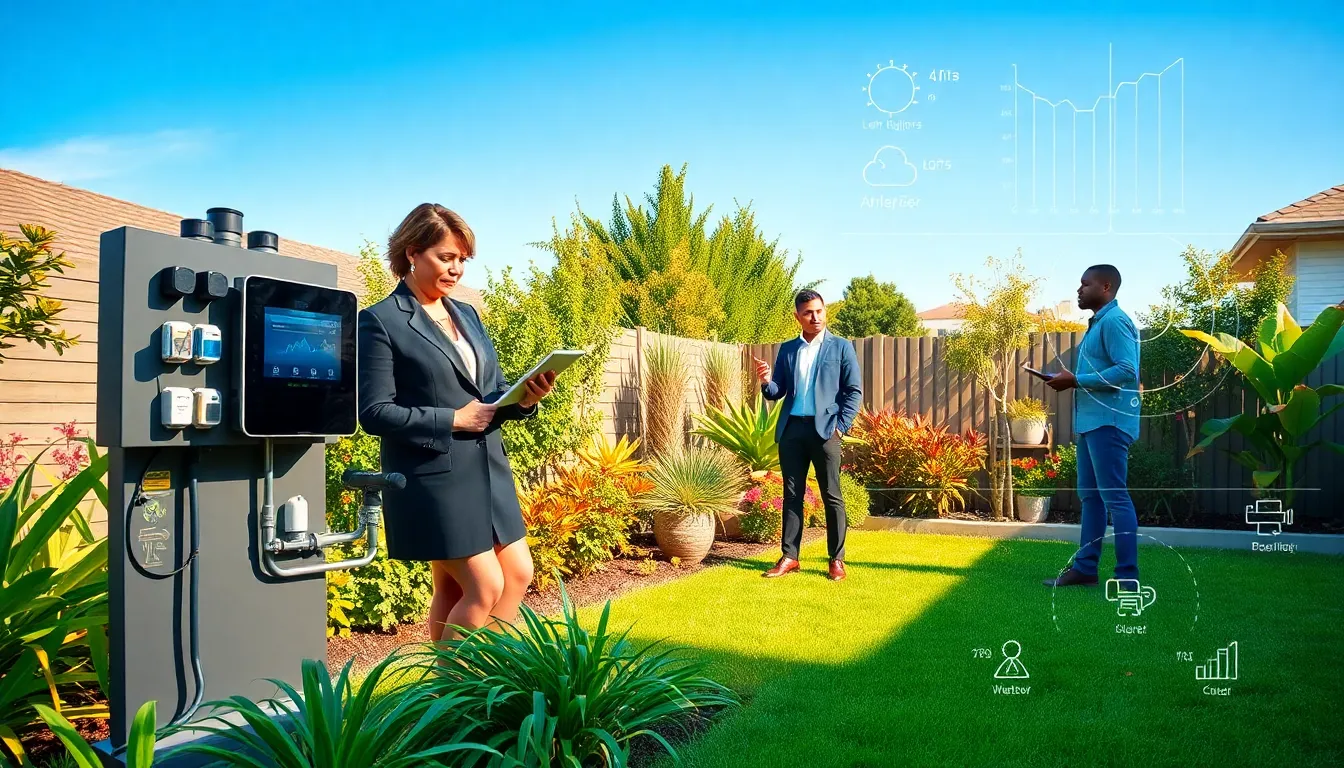
Smart irrigation combines advanced technology with traditional gardening to create systems that manage water wisely. At its core, it uses sensors, data, and automation to determine the precise amount of water your landscape needs. Imagine having a irrigation system that can actually ‘think’ about when and how much to water, similar to how a smart thermostat can adjust your home’s temperature.
These systems range from simple timers to complex setups that connect with weather forecasts, ensuring water gets delivered only when it’s needed. They’re designed to optimize water usage, prevent wastage, and make gardening easier.
Benefits of Smart Irrigation Systems
Smart irrigation systems are like the superheroes of the gardening world, saving water and time while keeping plants healthy. Here are some standout benefits:
- Water Efficiency: Using real-time data, these systems ensure that every drop counts, reducing water waste.
- Cost Savings: With reduced water bills, you’ll notice a more manageable landscaping budget. Owning your finances can be just as satisfying as owning a beautiful garden.
- Healthier Plants: By providing the right amount of water at the right time, plants thrive and show off their vibrant colors.
- Convenience: Many smart irrigation systems can be controlled from your smartphone, allowing you to adjust settings on-the-go. How’s that for gardening in style?
Eventually, the smart approach translates into lush landscapes and lighter workloads for homeowners.
How Smart Irrigation Works
So how does this impressive technology work? Smart irrigation systems employ a variety of components and data insights:
Sensors
These little guys monitor soil moisture levels, ensuring that plants get just the right amount of watering. It’s like having an extra pair of eyes in your garden.
Weather Data
Many systems connect to weather forecasts, can help determine when water delivery is necessary. Rainy days? No watering for you, thank you very much.
Automation
The beauty of smart irrigation is that you can set it and forget it. Automatic timers and controllers handle the rest, giving you one less thing to worry about.
Advanced Software
Some systems even offer analysis tools, helping you understand your water usage patterns. Data-driven decision-making in gardening? Yes, please.
Types of Smart Irrigation Technologies
The world of smart irrigation is diverse, with various technologies available to suit different needs:
Drip Irrigation
Ideal for gardens or landscapes with specific watering needs, drip systems deliver water directly to the roots. It’s like giving your plants a high-end spa treatment.
Sprinkler Systems
Smart sprinkler systems can adapt to weather conditions, ensuring effective watering without any over-saturation. Who wouldn’t want a system that thinks ahead?
Smart Controllers
These are the brains of the operation, controlling when and how much water is released based on data collected from sensors and weather forecasts.
Mobile Apps
Many smart irrigation technologies now come with companion apps, allowing users to monitor and control their systems remotely.
Implementing Smart Irrigation in Your Property
Thinking about switching to smart irrigation? Here’s a step-by-step guide to help you get started:
- Assess Your Landscape: Consider the types of plants you have and their specific watering needs. Mapping this out beforehand can save headaches later.
- Choose Your System: Decide which technology fits your needs, drip, sprinkler, or a combination of both. It’s like choosing a smartphone based on your lifestyle.
- Install the System: You can hire a professional for installation or, if you’re feeling adventurous, tackle the project yourself. Follow the manufacturer’s instructions carefully.
- Set Up Monitoring Tools: Once installed, ensure you set up any necessary apps or software to track water usage and adjust settings.
- Regular Maintenance: Keep an eye on your system. Regular checks will ensure everything runs smoothly and your plants remain perky.
Common Challenges and Solutions
While smart irrigation can feel like a breath of fresh air, there are challenges. Here’s a breakdown along with practical solutions:
Initial Costs
Investing in smart technology can seem daunting. But consider it a long-term investment that pays off with lower water bills and healthier plants.
Complexity
Some may find it overwhelming initially. Thankfully, most manufacturers offer comprehensive user guides and tech support to ease the learning curve.
Compatibility
Make sure that any new systems work with your existing landscape setup. This can prevent any unpleasant surprises down the road.
Future of Smart Irrigation
The future of smart irrigation holds exciting possibilities.
Enhanced AI Integration
Artificial intelligence will continue to evolve, offering personalized watering schedules based on individual plant needs.
Greater Connectivity
As the Internet of Things (IoT) expands, expect even better communication between devices, leading to seamless integration of your home’s irrigation system with other smart technology.
Sustainable Practices
As environmental concerns take center stage, smart irrigation will play a crucial role in promoting water conservation and sustainable gardening practices.