
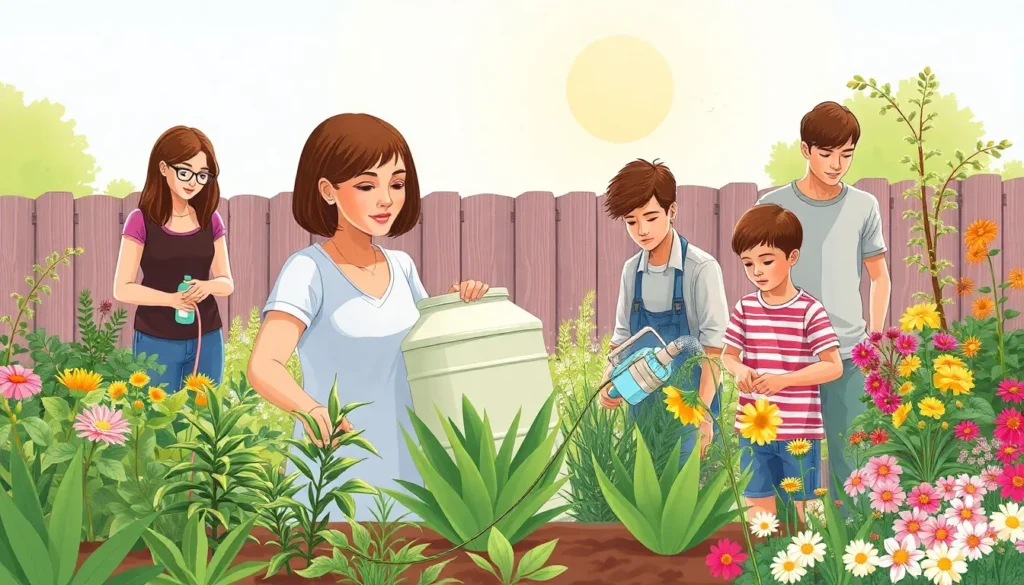
Water is the lifeblood of our planet, yet many treat it like a bottomless well. With droughts becoming more common and water bills rising faster than a cat on a hot tin roof, it’s time to take a closer look at how we use this precious resource. Embracing water conservation methods isn’t just smart; it’s downright essential for a sustainable future.
From simple changes in daily habits to innovative technologies, there’s a treasure trove of strategies waiting to be explored. Who knew saving water could be as easy as turning off the tap while brushing teeth or installing a rain barrel? With a sprinkle of humor and a dash of practicality, let’s dive into the world of water conservation and discover how everyone can make a splash in preserving our most vital resource.
Overview of Water Conservation Methods
Water conservation methods encompass various strategies aimed at reducing water usage and safeguarding this vital resource. Simple adjustments can make a significant impact on overall consumption. Utilizing low-flow fixtures helps decrease water flow without sacrificing performance.
Adopting xeriscaping showcases how landscaping with drought-resistant plants minimizes irrigation needs. This technique not only conserves water but also enhances local biodiversity. Employing rain barrels to collect rainwater presents another effective solution, allowing homeowners to reuse water for gardens and outdoor activities.
Regularly checking for and fixing leaks can save thousands of gallons of water annually. By addressing small leaks promptly, individuals prevent excessive waste. Integrating smart irrigation systems optimizes watering schedules based on weather patterns and soil moisture levels, enhancing efficiency.
Practicing responsible lawn care during peak summer months further contributes to water savings. Adjusting mowing height can encourage deeper root growth and improve drought resistance. Implementing mulching techniques helps retain soil moisture, reducing the need for additional watering.
Educating communities about the importance of water conservation fosters a collective commitment. Encouraging schools and organizations to promote water-saving initiatives enhances public awareness and engagement. Collaboration among households, businesses, and local governments drives sustainable practices forward.
Adopting these methods, individuals and communities collectively promote the responsible use of water, ensuring the longevity of this critical resource for future generations.
Importance of Water Conservation
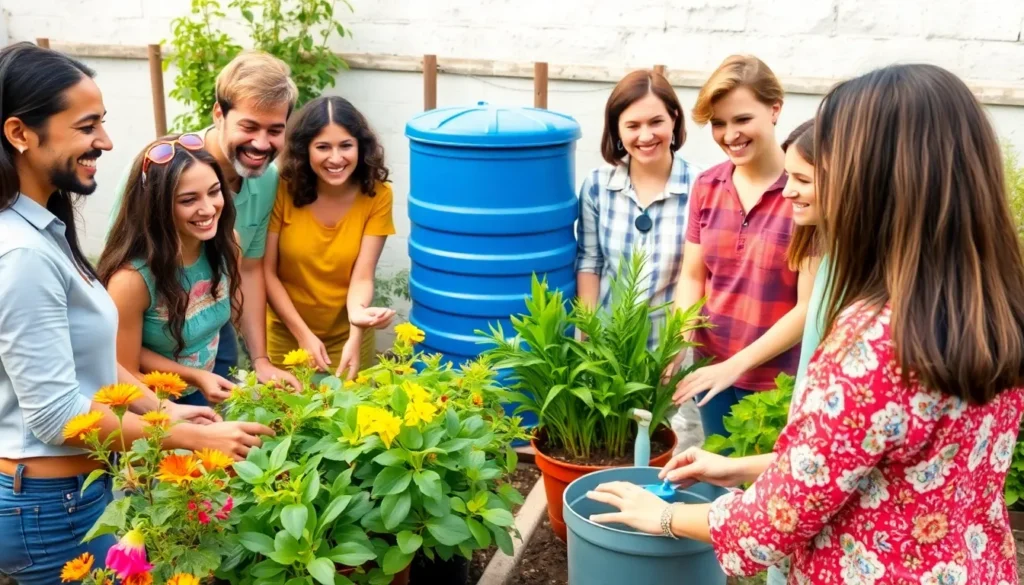
Water conservation holds significant value, especially amid increasing droughts and escalating water costs. Protecting this vital resource requires collective efforts and sustainable practices.
Environmental Impact
Conserving water significantly reduces the strain on natural ecosystems. Lower water usage decreases the demand on rivers, lakes, and aquifers, which helps maintain biodiversity. Deforestation and land degradation often accompany excessive water extraction, threatening wildlife habitats. By minimizing water waste, individuals contribute to healthier ecosystems, promoting the survival of numerous species. Implementing conservation methods also diminishes energy consumption, as less water processing and transportation energy is needed. Ultimately, water conservation aligns with environmental sustainability goals, supporting cleaner air and a more stable climate.
Economic Benefits
Water conservation directly influences household finances. Reducing water consumption lowers utility bills, providing immediate savings for families. Implementing low-flow fixtures or adopting drought-resistant landscaping can result in substantial long-term financial benefits. Communities benefit economically as well, since decreased demand on existing water supplies can postpone costly infrastructure upgrades. Increased water efficiency fosters enhanced agricultural productivity by optimizing irrigation practices. Economic resilience develops as regions adapt to climate variability, ensuring resources remain available without incurring excess costs. Effective water conservation thus supports both individual households and broader economic stability.
Types of Water Conservation Methods
Water conservation methods fall into two primary categories: passive and active techniques. Each category features specific strategies designed to reduce water usage effectively.
Passive Methods
Passive methods rely on design and environmental adaptations to conserve water. Rainwater harvesting captures runoff from roofs, redirecting it for irrigation. Xeriscaping employs drought-resistant plants, minimizing irrigation needs. Permeable surfaces allow water to seep into the ground, enhancing groundwater recharge. Additionally, installing cisterns stores water for future use, proving beneficial during dry periods. These methods reduce reliance on municipal water supplies and promote sustainability.
Active Methods
Active methods involve intentional practices to save water during everyday use. Low-flow fixtures, such as showerheads and faucets, significantly cut water consumption. Smart irrigation systems adjust watering schedules based on weather conditions, reducing waste. Regular leak checks prevent unnoticed water loss, conserving valuable resources. Utilizing mulch in gardens retains soil moisture, reducing watering frequency. Education on responsible water use further encourages mindful consumption across communities. These methods provide direct engagement in water conservation efforts.
Technologies for Water Conservation
Innovative technologies play a crucial role in water conservation efforts. Smart irrigation systems and rainwater harvesting methods demonstrate effective strategies for reducing water usage.
Smart Irrigation Systems
Smart irrigation systems utilize weather data and soil moisture sensors to optimize water application. These systems adjust watering schedules based on real-time conditions. For example, they can delay watering during rainy periods, preventing waste. Irrigation controllers often connect to smartphones for ease of monitoring and adjustments. Implementing these systems can lead to water savings of 20 to 50 percent, depending on the climate and landscape. Enhanced efficiency, combined with reduced labor effort, makes smart irrigation a popular choice among homeowners and landscapers.
Rainwater Harvesting
Rainwater harvesting captures and stores rain for later use, providing an excellent means to supplement water supply. Gutters and downspouts direct rainwater into storage tanks. This stored water can irrigate gardens, wash cars or flush toilets. With a properly designed system, homeowners can save thousands of gallons each year. According to the Environmental Protection Agency, a 1,000-square-foot roof can yield over 600 gallons of rainwater from just one inch of rainfall. Utilizing this method promotes sustainability and decreases dependence on municipal water sources.
Community Involvement in Water Conservation
Community involvement plays a crucial role in effective water conservation efforts. Individuals and families increasingly participate in local initiatives aimed at reducing water usage. Schools often engage students in educational programs that raise awareness about the importance of water conservation.
Non-profit organizations frequently lead workshops to teach efficient water practices. Community gardens commonly implement rainwater harvesting systems, showcasing practical methods that others can adopt. Local governments support initiatives that encourage citizens to adopt xeriscaping techniques, reducing reliance on traditional lawns.
Neighborhood clean-up events promote a sense of ownership in local water sources. Collaborative projects aim to restore wetlands, which naturally filter and store water, enhancing community resilience against drought. Public awareness campaigns utilize social media platforms to spread tips on conserving water, such as fixing leaks promptly and using native plants in landscaping.
Collaboration among residents generates innovative solutions. For example, community members may organize bulk purchases of rain barrels, making them more affordable for everyone. Bartering services for water-saving installations helps foster relationships and empowers individuals to take action.
Regular town hall meetings provide a platform for discussion about water-related challenges. Engagement within communities drives change, as residents share success stories and learn from one another. Collective efforts lead to a greater understanding of water issues and establish a foundation for sustainable practices.
With ongoing involvement, communities can significantly impact water conservation. Shared responsibility promotes a culture of sustainability, emphasizing that everyone can contribute to preserving this vital resource.
Embracing water conservation methods is essential for a sustainable future. By adopting simple practices and innovative techniques, individuals can significantly reduce their water usage. This not only benefits the environment but also leads to economic savings and community resilience.
Active participation in local initiatives fosters a sense of responsibility and encourages collective action. As communities come together to implement these strategies, they create a lasting impact on water conservation efforts. It’s vital for everyone to take part in this movement, ensuring that future generations have access to this precious resource. Every drop saved counts toward a healthier planet and a more sustainable lifestyle.