

Traveling the globe is an adventure, but jet lag can feel like a cruel prank played by the universe. One minute you’re sipping espresso in Paris, and the next, you’re wide awake at 3 AM wondering if you’re part owl. It’s a struggle many face, but it doesn’t have to be this way.
With a few clever tricks up your sleeve, you can dodge that post-flight fog and arrive at your destination feeling like a million bucks. From adjusting your sleep schedule to staying hydrated, these tips will help keep your energy levels soaring high. So buckle up and get ready to conquer the skies without the dreaded jet lag dragging you down.
Understanding Jet Lag
Jet lag occurs when the body’s internal clock, or circadian rhythm, struggles to adjust to a new time zone. It often affects travelers after crossing multiple time zones and can disrupt normal sleep patterns.
What Is Jet Lag?
Jet lag is a temporary sleep disorder caused by long-distance travel. Crossing several time zones results in a mismatch between local time and the body’s internal clock. This disruption affects hormone levels, body temperature, and sleep-wake cycles. Traveling east typically causes more severe symptoms than traveling west. Most experts identify jet lag as a significant concern for frequent flyers as fatigue and disorientation often ensue.
Symptoms of Jet Lag
Symptoms of jet lag vary among individuals but commonly include fatigue, insomnia, irritability, headaches, and difficulty concentrating. Affects often show up within a day or two of travel and may last several days. Changes in appetite and digestive issues can accompany these symptoms. Travelers usually experience more intense symptoms after crossing five or more time zones. Overall, understanding these symptoms enables travelers to recognize and address jet lag effectively.
Tips for Avoiding Jet Lag
Travelers can minimize the effects of jet lag through strategic planning and actions. Implementing effective tips makes adjusting to new time zones easier.
Pre-Travel Preparation
Adjusting sleep schedules before departure helps ease the transition. Gradually shifting bedtime by 30 minutes each night can align body clocks with the destination time. Staying hydrated in the days leading up to the flight prepares the body for travel. Consuming light meals and avoiding heavy foods also promotes better digestion. Reducing caffeine and alcohol intake helps maintain quality sleep, facilitating a smoother transition.
During the Flight
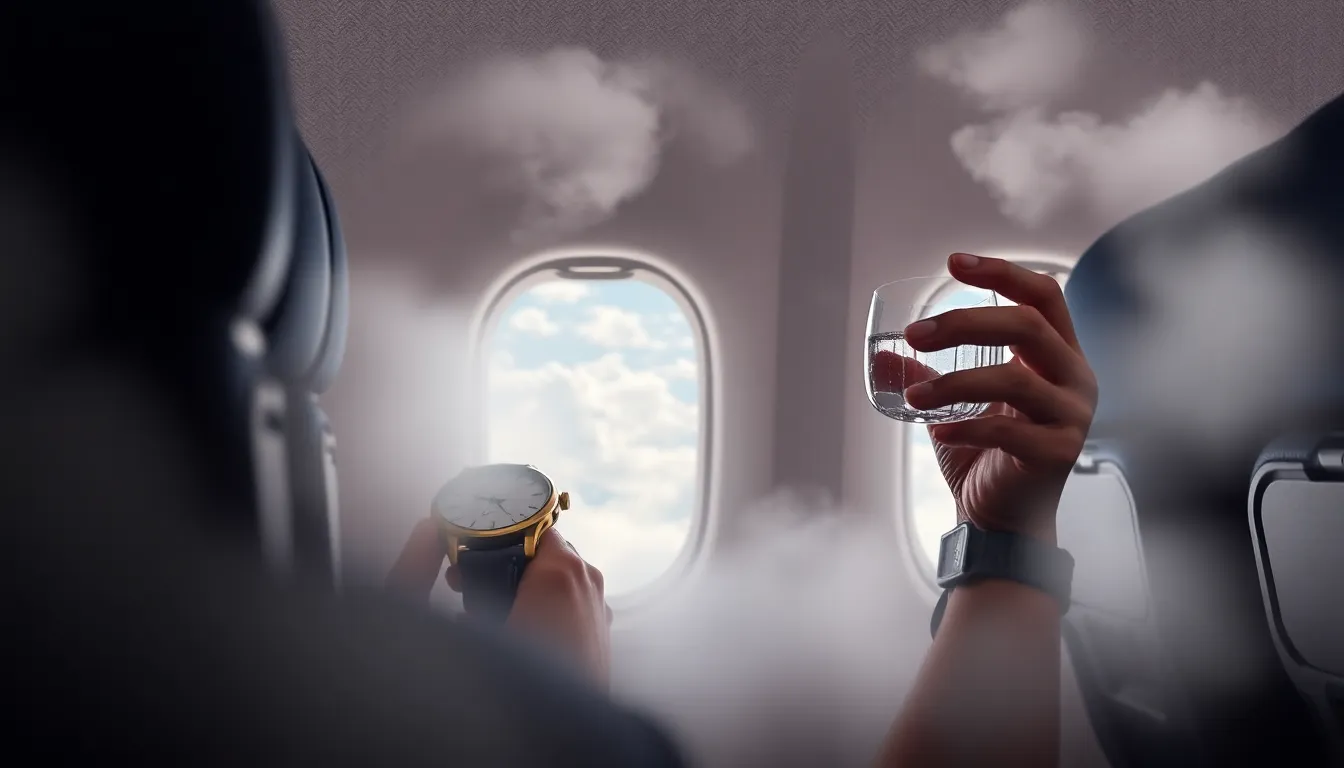
Staying hydrated throughout the flight is crucial for combating fatigue. Drinking water every hour counters the dehydrating effects of cabin pressure. Adjusting the watch to the destination time encourages the mind to adapt quicker. Avoiding heavy meals during the flight keeps energy levels stable. Sleeping or resting during aligned nighttime hours helps the body acclimate. Using an eye mask and earplugs creates an environment conducive to relaxation.
Post-Arrival Strategies
Immediately adapting to the local schedule aids in recovery from jet lag. Engaging in outdoor activities and exposure to natural light boosts alertness. Eating balanced meals at destination mealtimes signals the body to adjust its internal clock. Limiting naps to 20 minutes minimizes disruptions to nighttime sleep. Gradually introducing exercise supports overall well-being and energy levels. Prioritizing sleep hygiene, such as creating a dark, quiet environment, fosters restful sleep.
Lifestyle Changes to Prevent Jet Lag
Making specific lifestyle changes can reduce the impact of jet lag significantly. Implementing strategies for better sleep hygiene and focusing on diet and hydration plays a crucial role.
Sleep Hygiene
Creating an optimal sleep environment supports restful nights. Dark, quiet bedrooms promote better sleep quality. Limiting screen time before bedtime helps prepare the body for rest. Establishing a consistent bedtime routine signals the brain when to wind down. Using relaxation techniques, such as deep breathing or meditation, can enhance sleep onset. Travelers should aim for seven to eight hours of sleep, especially before long-haul flights. Adjusting sleep schedules a few days ahead prepares the body for the new time zone, aiding in quicker recovery.
Diet and Hydration
Maintaining proper diet and hydration levels can influence energy and alertness. Balanced meals, containing proteins, complex carbohydrates, and healthy fats, sustain energy throughout the day. Staying hydrated with water, rather than caffeine or alcohol, helps alleviate fatigue and headaches. Limiting heavy meals before flights promotes comfortable travel experiences. Consuming light snacks during the flight can stabilize energy levels. Eating with local time in mind encourages the body to adjust to new meal times. Prioritizing nutritional needs supports overall well-being, making the transition smoother when traveling across time zones.
Travelers can significantly reduce the impact of jet lag by implementing effective strategies before during and after their flights. By making small adjustments to sleep schedules staying hydrated and maintaining a balanced diet they can support their bodies in adapting to new time zones.
Creating a conducive sleep environment and prioritizing rest also plays a vital role in overcoming jet lag. With these practical tips in mind anyone can enjoy their adventures without the frustrating effects of jet lag. Embracing these strategies ensures a smoother transition into new destinations allowing travelers to focus on making the most of their journeys.