

In a world where furniture can be as green as your favorite smoothie, eco-friendly options are stealing the spotlight. Gone are the days of choosing between style and sustainability; now, they come hand in hand, like peanut butter and jelly. Who knew that a chic sofa could also save the planet?
Eco-friendly furniture isn’t just a trend; it’s a lifestyle choice that’s turning homes into eco-havens. Think of it as a way to impress your friends while giving Mother Earth a high-five. With materials sourced from renewable resources and designs that scream sophistication, eco-friendly furniture proves that saving the planet can be downright stylish. So, why not dive into the world of sustainable living and discover how your choices can make a difference, one piece of furniture at a time?
Overview of Eco-Friendly Furniture
Eco-friendly furniture prioritizes sustainability and style. Many pieces utilize materials sourced from renewable resources, such as bamboo and reclaimed wood. Designers often craft these items with techniques that minimize environmental impact, ensuring a lower carbon footprint.
Consumers can expect quality and durability alongside eco-friendliness. Products frequently avoid harmful chemicals, opting for non-toxic finishes and natural adhesives. This choice supports healthier living spaces by reducing indoor air pollution.
The market offers a variety of styles that appeal to diverse tastes. Contemporary designs, rustic aesthetics, and classic looks can all be found within the eco-friendly segment. Each option allows for personal expression while adhering to sustainable principles.
Buying eco-friendly furniture fosters a connection to the environment. Choosing a sustainable piece not only enhances home decor but also contributes to broader ecological well-being.
Consumers increasingly seek brands that prioritize ethical practices in their production processes. Transparency in sourcing and manufacturing builds trust and encourages responsible consumption within the furniture industry.
Impactful decisions can lead to significant changes. Individuals selecting eco-friendly furniture positively influence both the market and the planet.
Benefits of Eco-Friendly Furniture
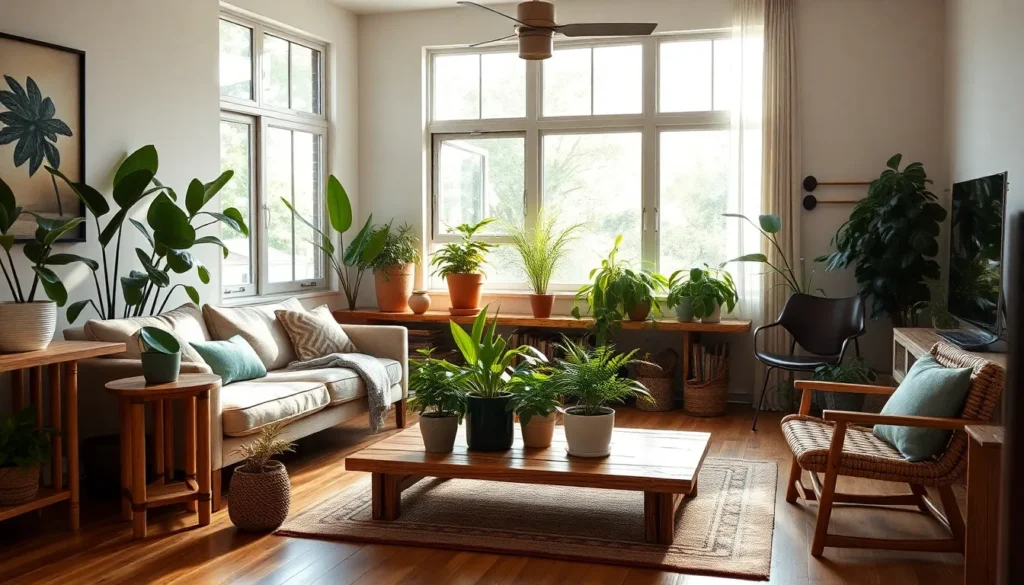
Eco-friendly furniture offers multiple advantages for consumers and the planet. Individuals contribute to a healthier environment when they choose sustainable options rather than conventional products.
Environmental Impact
Eco-friendly furniture significantly reduces ecological footprints. Materials like bamboo and reclaimed wood come from renewable sources, promoting sustainability. The production processes for these items often use fewer resources and produce less waste than traditional furniture manufacturing. Sustainable practices in sourcing and craftsmanship enhance biodiversity and protect ecosystems. Consumers actively support climate health by investing in items that minimize carbon emissions. Moreover, many eco-friendly options are designed for longevity, decreasing the frequency of disposal and replacement.
Health Advantages
Health benefits arise from the use of eco-friendly furniture. Non-toxic materials often define these products, reducing exposure to harmful chemicals commonly found in conventional furniture, such as formaldehyde. Enhanced indoor air quality becomes achievable with the absence of volatile organic compounds (VOCs). Individuals also experience greater peace of mind knowing their furnishings contribute to a healthier living environment. Additionally, many sustainable pieces feature ergonomic designs, promoting better posture and comfort. By prioritizing eco-friendly choices, consumers improve both their well-being and their home environments.
Materials Used in Eco-Friendly Furniture
Eco-friendly furniture incorporates various materials that prioritize sustainability and environmental health. Each choice influences ecological impact, aesthetics, and durability.
Sustainable Wood
Sustainable wood sources include bamboo, teak, and certified hardwood. Bamboo stands out due to its rapid growth, offering a renewable option that thrives with minimal resources. Teak, often harvested from responsibly managed forests, provides natural resistance to moisture and pests. Certified hardwood comes from forests evaluated and approved by organizations like the Forest Stewardship Council. These sourcing practices reduce deforestation and ensure long-term forest health, making responsible choices a top priority.
Recycled Materials
Recycled materials, such as reclaimed wood and repurposed metal, play a crucial role in eco-friendly furniture. Reclaimed wood, salvaged from old buildings, delivers unique character and history while reducing waste. Repurposed metal transforms discarded items into functional furniture, proving creativity can minimize environmental impact. Opting for these materials ensures a reduction in new resource consumption and emphasizes the importance of resourcefulness in design. Innovative approaches to recycling further support sustainable practices.
Non-Toxic Finishes
Non-toxic finishes enhance the safety and sustainability of furniture. Low-VOC paints and stains contribute to improved indoor air quality, minimizing harmful chemical emissions. Natural oils and waxes offer alternatives that provide protection while remaining eco-friendly. Moreover, choosing finishes free from harmful substances supports healthier living environments. The prioritization of non-toxic options aligns with a broader movement toward holistic well-being in home furnishings. These finishes demonstrate a commitment to not just aesthetics but also human and ecological health.
Popular Styles of Eco-Friendly Furniture
Eco-friendly furniture encompasses various styles, allowing individuals to express personal taste while supporting sustainability. Noteworthy options include modern designs and rustic aesthetics.
Modern Designs
Modern eco-friendly furniture often features clean lines and minimalist aesthetics. These pieces utilize sustainable materials like bamboo and recycled metals while capitalizing on form and function. Designers focus on linear silhouettes, employing innovative techniques to reduce waste. Consumers find that this style complements contemporary spaces, adding an eco-conscious touch. Brands such as West Elm and CB2 prioritize modern designs, showcasing stylish options that appeal to environmentally aware shoppers.
Rustic Aesthetics
Rustic eco-friendly furniture embraces warmth and natural textures. Often crafted from reclaimed wood, this style highlights the beauty of imperfections, making each piece unique. Customers love the charm of distressed finishes and earthy tones, creating cozy atmospheres in homes. The emphasis on handcrafted techniques further supports sustainability by reducing mass production waste. Notable examples include farmhouse tables and wooden benches, which serve as centerpieces in rustic-themed interiors. This aesthetic resonates with those seeking a connection to nature through their furniture choices.
Where to Buy Eco-Friendly Furniture
Consumers can find eco-friendly furniture at several well-regarded retailers. Online platforms like Wayfair and Etsy offer a range of sustainable options from various sellers. Local furniture stores increasingly carry eco-friendly lines, featuring pieces made from reclaimed wood and other sustainable materials.
High-end brands such as West Elm and Crate & Barrel provide certified sustainable collections, ensuring that items meet stringent environmental standards. Additionally, specialty shops focusing solely on green furniture are becoming more prevalent. These stores often prioritize transparency, showcasing the sourcing and manufacturing processes of their products.
Many eco-conscious retailers have adopted online marketplaces to reach a wider audience. Websites like Greenhouse and EcoBalanza specialize in ethically produced furniture, highlighting the importance of sustainable design. Local craftsmen offer unique pieces from reclaimed materials, blending artistry with sustainability.
Cities may host eco-friendly furniture fairs or expos, allowing consumers to explore various sustainable brands in one place. The experience includes opportunities to meet artisans and learn directly about their materials and techniques.
In addition to shopping in-person and online, furniture exchange and resale sites present viable options. ThredUp and Chairish enable consumers to acquire gently used eco-friendly furniture, reducing waste while enhancing personal collections. These alternatives promote a circular economy, supporting sustainable practices through reuse.
By choosing eco-friendly furniture from these diverse sources, individuals contribute to sustainable living and help protect the environment.
Embracing eco-friendly furniture is a powerful way to enhance living spaces while making a positive impact on the environment. By choosing sustainable materials and designs, individuals not only express their personal style but also contribute to a healthier planet. The benefits extend beyond aesthetics, promoting better indoor air quality and supporting ethical manufacturing practices.
As consumer demand for eco-conscious options grows, the market continues to evolve, offering a wide range of stylish choices. By investing in eco-friendly furniture, individuals foster a deeper connection to nature and take meaningful steps toward sustainability. Ultimately, every choice made in furniture selection can lead to significant benefits for both personal well-being and the environment.