

In a world where energy bills seem to grow faster than a teenager’s appetite, energy-efficient appliances are the superhero we didn’t know we needed. These modern marvels not only save the planet but also keep that pesky monthly bill in check. Who knew saving the environment could be so wallet-friendly?
Overview of Energy-Efficient Appliances
Energy-efficient appliances utilize advanced technology to consume less electricity and water compared to conventional models. These appliances include refrigerators, washing machines, dishwashers, and ovens. Each option significantly reduces energy consumption, which helps lower utility bills.
Devices marked with the Energy Star label meet established efficiency guidelines set by the U.S. Environmental Protection Agency. In fact, Energy Star-certified products can save about 30% more energy than standard appliances. This results in savings up to $500 annually for households that opt for such products.
American households contribute to a staggering 20% of total energy consumption. Choosing energy-efficient options mitigates this statistic while promoting sustainability. Modern designs also enhance user experiences with technologies that prioritize efficiency without compromising performance.
Manufacturers improve appliance efficiency through features like smart technology and better insulation. For example, smart thermostats can optimize heating and cooling, further enhancing energy savings. Upgrading to energy-efficient appliances not only provides cost savings but also promotes environmental responsibility.
Research demonstrates that investing in energy-efficient appliances yields long-term financial benefits despite a higher upfront cost. Consumers often recoup their investment within five to ten years through reduced utility bills. These appliances represent a smart choice for environmentally conscious individuals who want to make a positive impact on their energy consumption.
Benefits of Energy-Efficient Appliances
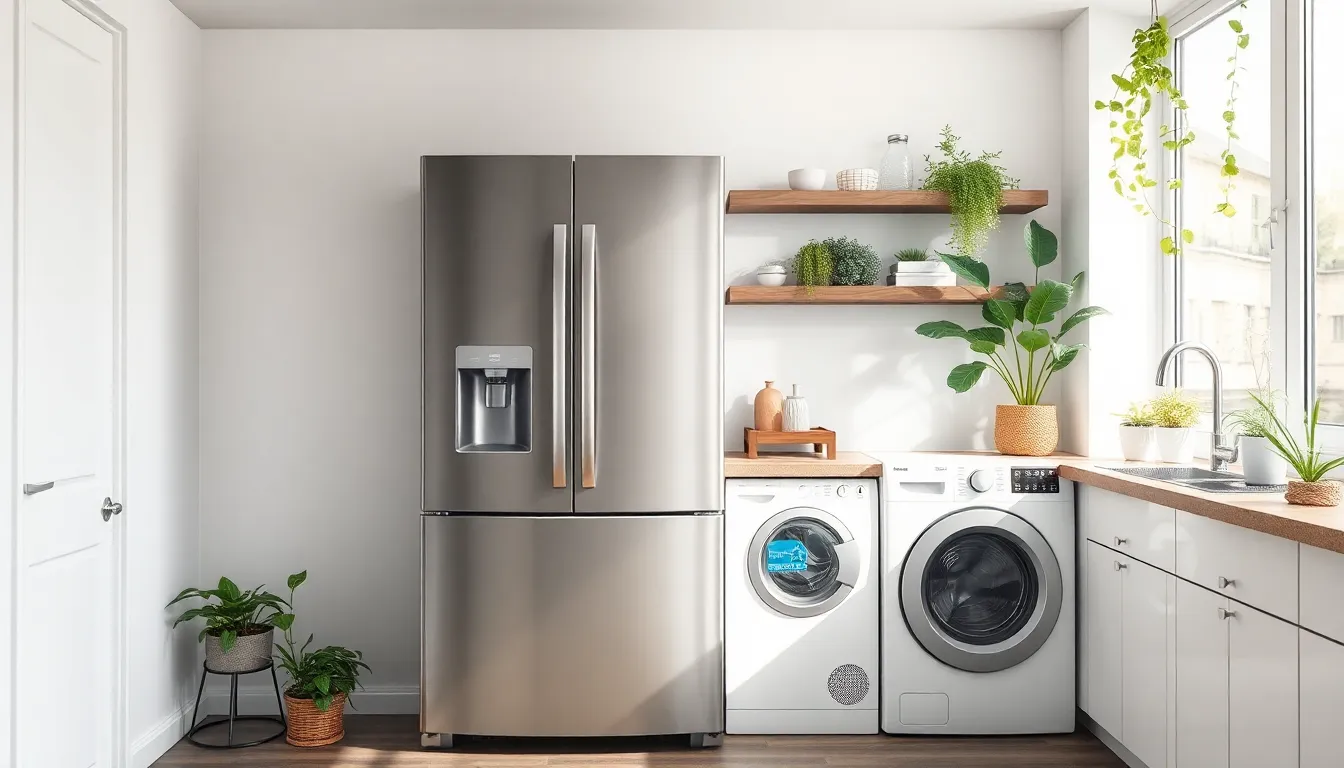
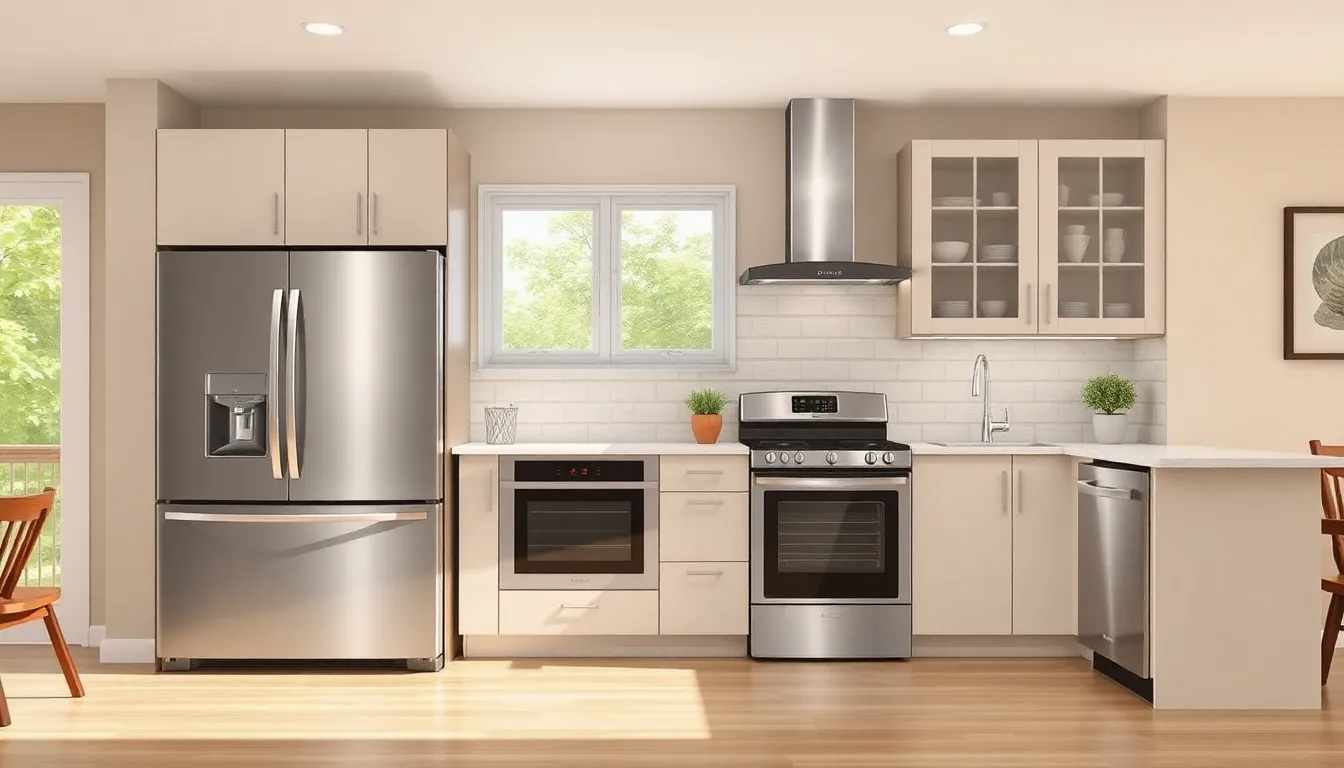
Energy-efficient appliances offer various advantages that positively influence consumers and the environment. These appliances not only reduce energy consumption but also provide significant financial and ecological benefits.
Cost Savings
Cost savings stand out as one of the primary benefits. Households can save approximately $500 annually by switching to Energy Star-certified appliances. These models utilize advanced technology, consuming around 30% less energy than standard options. As a result, monthly electricity bills decrease. Investing in energy-efficient appliances often leads to a return on investment within five to ten years. Long-term financial relief becomes apparent through consistent usage and lower maintenance costs.
Environmental Impact
The environmental impact of energy-efficient appliances is profound. About 20% of total energy consumption in the U.S. comes from American households. By choosing efficient models, consumers help mitigate this statistic, reducing greenhouse gas emissions significantly. These appliances rely on less electricity and water, contributing to sustainability efforts. Innovations in smart technology further enhance energy efficiency, leading to reduced resource depletion. Overall, opting for energy-efficient appliances empowers individuals to make a substantial positive impact on the environment.
Types of Energy-Efficient Appliances
Energy-efficient appliances come in various types, addressing specific needs in homes while maximizing savings and sustainability.
Kitchen Appliances
Refrigerators, dishwashers, and ovens fall under this category. Energy-efficient refrigerators utilize advanced insulation and compressors that reduce energy usage by about 20% compared to standard models. Dishwashers equipped with smart sensors optimize water and energy consumption, potentially saving up to 3,870 gallons of water annually. With ovens, convection technology balances heat distribution, minimizing cooking times and energy expenditure. Investing in these appliances not only lowers energy bills but also contributes to resource conservation.
Laundry Appliances
Washing machines and dryers lead the way in this sector. Energy-efficient washing machines consume approximately 25% less water and 20% less energy compared to traditional machines. Utilizing front-loading designs enhances cleaning efficiency while reducing wear on clothes. Dryers equipped with moisture sensors prevent over-drying, leading to energy savings of up to 15%. Adopting these appliances results in significant cost reductions over time.
Heating and Cooling Systems
Central heating and air conditioning systems exemplify energy efficiency in climate control. Energy-efficient models can operate up to 30% better than conventional systems. Proper insulation and smart thermostats further enhance efficiency by optimizing performance according to occupancy and preferences. With HVAC systems accounting for nearly half of household energy consumption, upgrading to energy-efficient options can yield substantial savings and improved comfort levels throughout the year.
How to Choose Energy-Efficient Appliances
Choosing energy-efficient appliances involves careful consideration of several factors. Consumers looking for optimal performance should pay attention to specific ratings and features.
Energy Star Ratings
Energy Star ratings serve as a reliable indicator of efficiency. Appliances with this label meet strict energy performance standards set by the U.S. Environmental Protection Agency. Energy-efficient models can save households about 30% more energy compared to standard appliances. Additionally, these ratings often highlight substantial long-term savings, with homes potentially saving up to $500 annually. Researching and prioritizing Energy Star appliances leads to smarter, environmentally friendly choices.
Features to Consider
It’s essential to evaluate various features when selecting energy-efficient appliances. Look for advanced technologies like smart sensors that optimize energy and water usage. Energy-efficient refrigerators should ideally reduce energy consumption by around 20%. Washing machines with high efficiency typically use 25% less water and 20% less energy than conventional models. Consider the efficiency of heating and cooling systems, which can operate 30% better than traditional units. Prioritizing appliances with these features ensures reduced utility bills and lower environmental impact.