

Ever ponder how life science museums evolved from dusty, old buildings filled with creepy taxidermy? Well, hold onto your lab coats, folks. These spaces have morphed into vibrant centers of curiosity, excitement, and, dare we say, fun. With interactive exhibits that make science feel less like assignments and more like an adventure, they are becoming essential venues for learning and engagement. Let’s jump into this fascinating evolution and uncover the magic behind life’s science stories that await in these modern-day museums.
The History of Life Science Museums
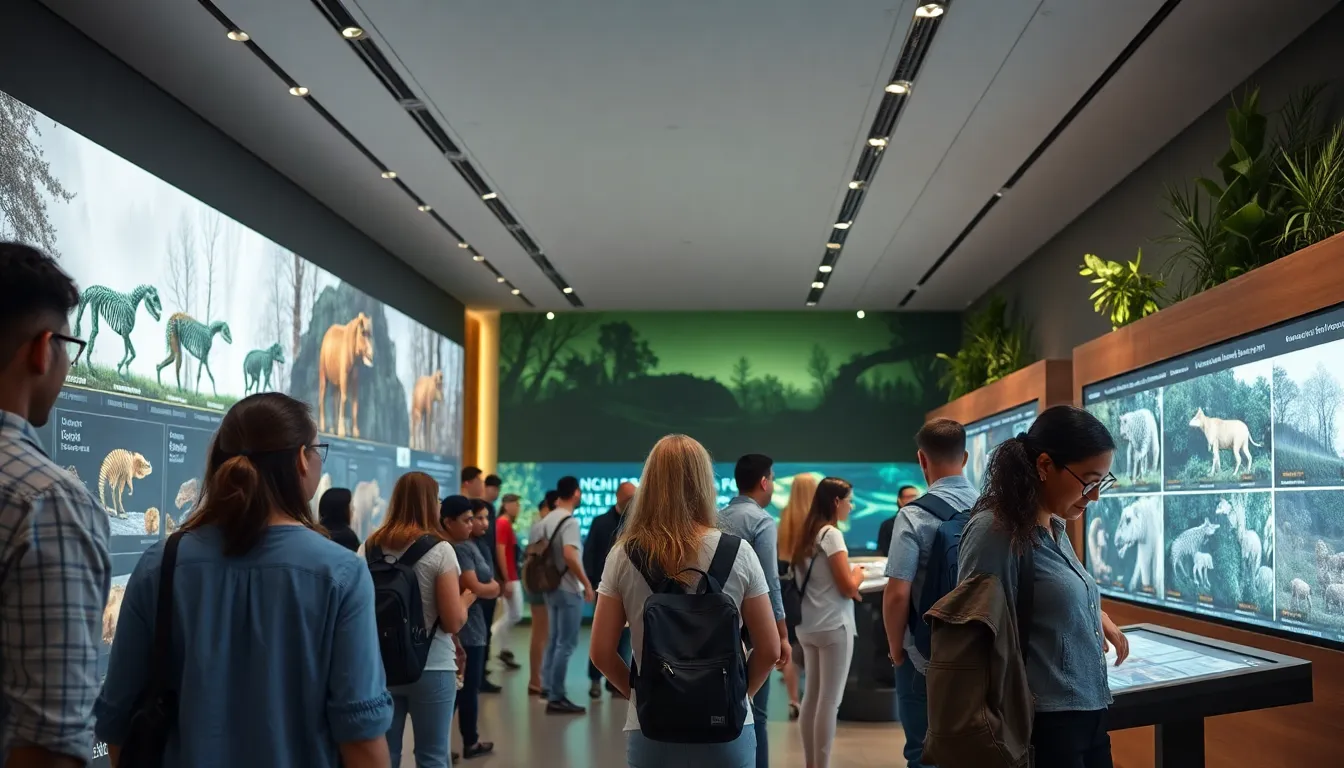
Life science museums have a rich history, dating back to the times when curious minds sought to gather and showcase the wonders of the natural world. These institutions began primarily as repositories for specimens gathered from explorers and researchers. Over the years, they transformed into more organized spaces focused on education and public engagement.
Key Milestones in Development
The first who ventured into life science museums were often early naturalists and scholars. In the early 19th century, natural history museums started to proliferate, with institutions like the British Museum leading the charge. The establishment of these museums marked a shift from curiosity cabinets, stuffed with curiosities and relics, to properly curated exhibits that told coherent and educational narratives about biodiversity and ecosystems.
As the century progressed, life science museums began integrating the principles of evolution and natural selection, following the groundbreaking work of Charles Darwin. This represented a significant milestone in the museum’s mission, allowing them to educate visitors on the complexity and interdependence of life.
Major Influences on Museum Evolution
In the 20th century, influences such as world wars and colonial expansion prompted a reevaluation of how natural history and cultural heritage were presented. Museums began to focus not only on the life sciences but also on the interplay with technology and culture. The understanding of environmental issues started surfacing, leading to the introduction of themes like conservation and sustainability in museum strategies.
Notable Life Science Museums Around the World
The evolution of life science museums has resulted in fantastic institutions around the globe. These museums serve as hubs for exploration and inquiry, offering rich experiences that connect visitors with the marvels of the natural world.
Innovative Exhibits and Experiences
Several museums stand out for their innovative exhibits that promise to not only educate but absolutely captivate their audiences. Whether it’s through engaging visuals, interactive elements, or simulations that replicate environments, each exhibit tells a story. For instance, the California Academy of Sciences in San Francisco unites an aquarium, planetarium, and natural history museum under one roof, making it a thrilling destination for both kids and adults. Unlike traditional setups, these spaces allow for more sensory experiences that help people better grasp the complexities of life sciences.
Case Study: The American Museum of Natural History
The American Museum of Natural History in New York City is a prime example of a life science museum that has successfully evolved with time. Its famed dinosaur fossils capture the imaginations of visitors, while its impressive Hall of Biodiversity takes a sobering look at extinction threats. What makes this museum exemplary is its continuous effort to innovate through technology, offering programs like SciCafe, where visitors engage in discussions with scientists over a drink, talk about the perfect combo of learning and leisure.
Impact of Technology on Life Science Museums
Technology has dramatically reshaped how life science museums operate and engage with their audiences. Gone are the days when visitors simply walked through a gallery reading placards. Today’s museums are embracing innovative tech to enhance the visitor experience.
Virtual Exhibits and Digital Interaction
With advancements in technology, life science museums are now offering virtual exhibits that expand access beyond physical walls. During the pandemic, many museums quickly adapted by creating virtual tours, allowing audiences to explore exhibits from their living rooms. Platforms like the Natural History Museum in London have effectively utilized digital interaction to ignite interest, making science accessible to people worldwide. This newfound approach elevates education while breaking geographical barriers.
Augmented Reality and Immersive Experiences
Besides, augmented reality (AR) has emerged as a game-changer in the museum world. Institutions are incorporating AR experiences where visitors can interact with exhibits in ways previously unimagined. Imagine walking through a dinosaur exhibit and using your smartphone to see a 3D animation of the creatures in action. Museums like the Field Museum in Chicago use AR to enhance storytelling, making each visit a memorable adventure.
The Role of Education in Life Science Museums
Life science museums are invaluable educational resources, making science more relatable for all ages. Their commitment to education can be seen in various programs and community outreach initiatives.
Educational Programs and Partnerships
Many life science museums collaborate with schools and universities to develop targeted programming that aligns with educational standards. Workshops, lectures, and hands-on learning opportunities provide students with real-world experience and robust learning avenues. The Exploratorium in San Francisco excels in educational programming, offering programs that empower educational leaders and engage young minds through interactive science.
Future Trends in Life Science Museums
As we look ahead, life science museums are poised for continued evolution. Changing climate, technological advancements, and shifts in public interest demand that these institutions remain agile and responsive within society.
Sustainability and Conservation Efforts
Sustainability has become a key focus for many life science museums. With rising awareness of environmental issues, museums are adopting practices that promote green initiatives and sustainability education. This could range from utilizing renewable energy in their operations to hosting exhibitions aimed at educating the public about biodiversity and conservation. For example, the Center for Biological Diversity has been successful in integrating these themes into their exhibits, fascinating visitors while educating them about their impact on the planet.