

In the swirling sea of student life, where assignments pile up like dirty laundry and exams loom like the Dark Lord himself, setting goals can often feel more like a chore than a choice. But, let’s be real, goal setting is not just some trendy educational buzzword: it’s the secret sauce to academic success. Picture this: you wake up every morning with direction, motivation, and maybe even a dash of excitement for what’s ahead. Welcome to the world of goal setting. In this text, we’re diving deep into the importance of setting goals, the types of goals students should pursue, and of course, some engaging activities to make it all stick. Spoiler alert: it’ll be better than your last group project.
The Importance Of Goal Setting In Education
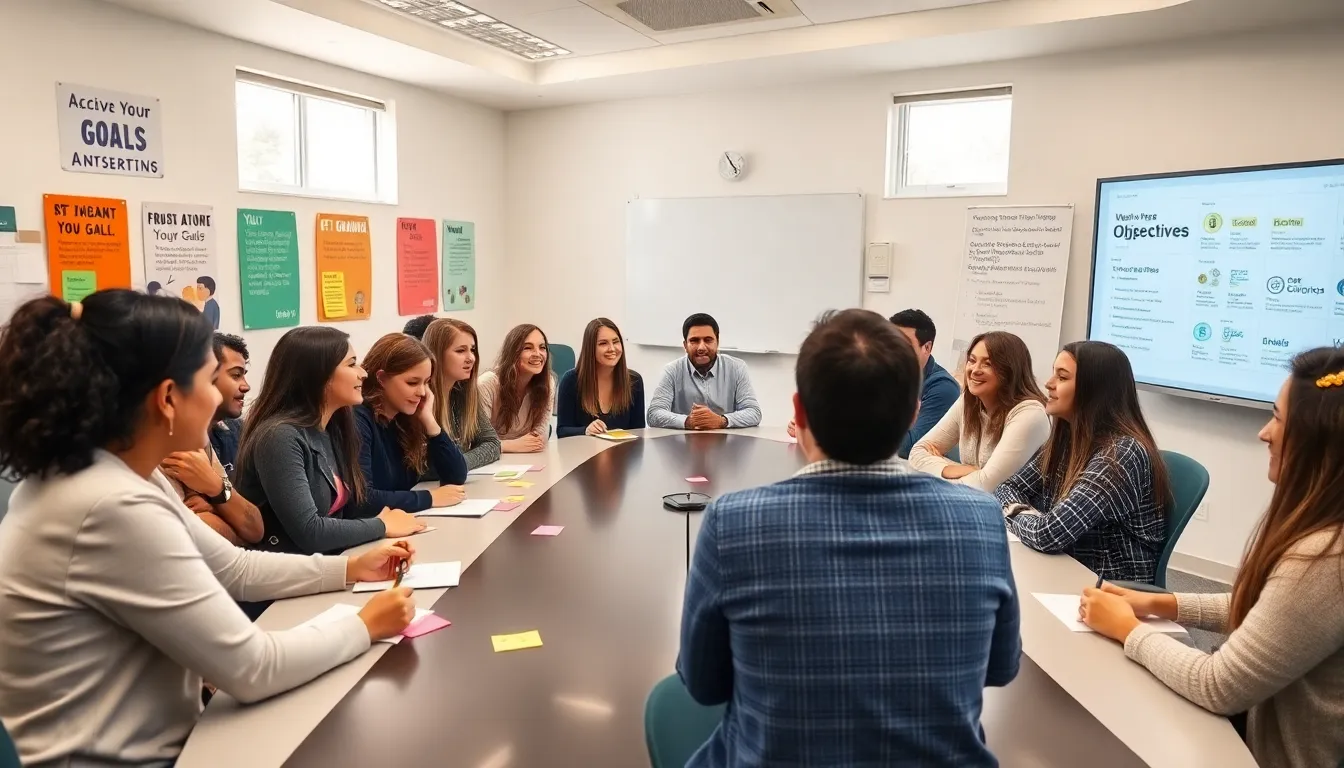
Setting goals establishes a roadmap for students. Imagine trying to navigate a maze without knowing where the exit is. Goals give students a destination: they create motivation and provide direction. According to educational experts, clear goals lead to increased academic performance. When students know what they want to achieve, they’re more likely to stay engaged, focused, and driven.
Also, goal setting fosters resilience. Students often face setbacks, and having goals helps them navigate challenges effectively. With a clear aim in sight, they can grind through tough times, learning from failures rather than simply feeling defeated. In this way, goal setting is not just about academic achievement: it’s about life skills.
Also, when students set and achieve goals, they’re likely to experience a boost in self-esteem. Each small victory encourages them to tackle larger challenges, creating a positive feedback loop that fosters further growth. Bottom line: goal setting is essential for laying a strong educational foundation.
Types Of Goals Students Should Set
When it comes to goal setting, not all goals are created equal. Here are a few types that students should consider:
- Short-Term Goals: These goals can often be achieved within weeks or months. An example could be studying for an upcoming quiz or reading a certain number of pages each day. Short-term goals create quick wins that boost motivation.
- Long-Term Goals: These are designed for the future. For instance, a student may aim to graduate with honors or get accepted into a dream college. Long-term goals require sustained effort and typically involve planning and diligence.
- Academic Goals: These focus specifically on educational achievements. Examples include improving grades in specific subjects or mastering a new skill like coding or a language.
- Personal Development Goals: These goals help students grow outside their academic life. They could focus on developing better time management skills, enhancing creativity, or increasing social interactions.
- Extracurricular Goals: Involvement in clubs and sports can also yield great experiences. A student might set a goal to make the basketball team or take on a leadership role in a club.
Effective Goal Setting Activities
Engaging students in goal setting activities doesn’t have to be a dull task. Here are some fun and effective ways to make goal setting a dynamic part of educational life:
Utilizing SMART Goals Framework
The SMART framework, Specific, Measurable, Achievable, Relevant, Time-bound, is an excellent way to guide students in crafting meaningful goals. For instance, instead of saying “I want to get better at math,” a SMART goal would read, “I will improve my math grade from a C to a B by the end of the semester through weekly tutoring sessions.” Such clarity not only sets the stage for success but makes it easier to track progress.
Vision Boards As A Goal-Setting Tool
Vision boards are not just for dreamers: they’re a powerful way for students to visualize their goals. Students can gather magazines or images from the internet that resonate with their aspirations and create a collage. Every time they look at their vision board, they remind themselves of their targets, fueling motivation. It’s like giving a daily pep talk, only prettier.
Journaling For Reflection And Progress Tracking
Encouraging students to maintain a journal can foster both reflection and accountability. They can jot down their goals and regularly update their progress. Reflective journaling also allows students to dissect their strategies, celebrate small wins, and adjust their actions if necessary. It’s a personalized roadmap to success.
Group Activities To Foster Collaboration
Group goal-setting sessions can be both fun and productive. Facilitating discussions among peers allows students to share their aspirations and and help each other refine their goals. Together they might create collective goals for projects or community service. This collaborative spirit instills a sense of belonging and shared responsibility.
Challenges And Solutions In Goal Setting
While goal setting is crucial, it’s not without its hurdles. Students may often face overwhelming pressures, lose motivation, or struggle with self-doubt. Here are some common challenges and their solutions:
- Overwhelm: They might feel like their goals are too lofty or numerous. The solution? Break goals down into smaller, manageable tasks. Instead of aiming for an A in every subject, focus on making incremental improvements in one subject at a time.
- Loss of Motivation: When the initial excitement fades, staying committed can be difficult. Encourage students to revisit their reasons for setting each goal. Connecting emotionally with a goal can reignite passion.
- Fear of Failure: It’s natural to fear falling short. Students should be reminded that setbacks are part of the learning journey. Encouraging a growth mindset, viewing challenges as opportunities for growth, can help mitigate this fear.
- Time Management: Juggling multiple responsibilities can make it challenging to devote time to goals. Teaching students to prioritize their goals and manage their time effectively can create a harmony between academics and extracurriculars.
Integrating Technology In Goal Setting
In today’s tech-savvy world, it’s essential that goal setting incorporates digital tools. Apps like Trello or Asana can help students track their progress in a visually appealing way. These platforms allow for easy breakdown of goals into tasks, providing reminders and visual representations of accomplishments.
Online goal-setting workshops and webinars can offer valuable insights and motivation. These forums provide interactive environments for students to learn about effective goal setting strategies from experts and peers alike.
Also, social media can play a role in goal accountability. Students can create private groups to share their goals and encourage each other: this sense of community can amplify commitment and support.
But, it’s important to emphasize moderation. Over-reliance on technology can lead to distractions, so striking a balance is key.