

Stage 4 skin cancer represents the most advanced form of this disease, where cancer cells have spread beyond the skin to distant organs. This stage often brings a range of complex challenges for patients, their families, and healthcare providers. Understanding the implications of stage 4 skin cancer is crucial for effective treatment and management.
At this critical juncture, patients may face a variety of treatment options, including chemotherapy, immunotherapy, and targeted therapies. Each approach aims to slow disease progression and improve quality of life. Awareness of symptoms and early detection can play a significant role in outcomes, making it essential to stay informed about this serious condition.
Understanding Stage 4 Skin Cancer
Stage 4 skin cancer represents the most advanced form of the disease, characterized by the spread of cancer cells to distant organs and lymph nodes. Recognizing its implications is vital for patients and healthcare providers.
Definition of Stage 4 Skin Cancer
Stage 4 skin cancer, also known as metastatic skin cancer, occurs when cancer cells extend beyond the primary tumor site to other body parts. This stage signifies that the cancer has invaded crucial organs, such as the lungs, liver, or bones, necessitating aggressive treatment approaches to manage symptoms and prolong life.
Types of Skin Cancer at Stage 4
Stage 4 can involve various types of skin cancer, including:
- Melanoma: This aggressive skin cancer arises from melanocytes and can metastasize rapidly. Melanoma frequently spreads to the lymph nodes, lungs, and brain.
- Basal Cell Carcinoma: Rarely reaches stage 4, but can occur when cancer invades surrounding tissues and organs. This type poses significant risks if it spreads beyond the skin.
- Squamous Cell Carcinoma: Stage 4 squamous cell carcinoma involves tumors that metastasize to lymph nodes and distant sites, affecting organs like the lungs and liver.
Understanding these types aids in targeting appropriate treatment strategies and improving patient outcomes.
Symptoms and Diagnosis
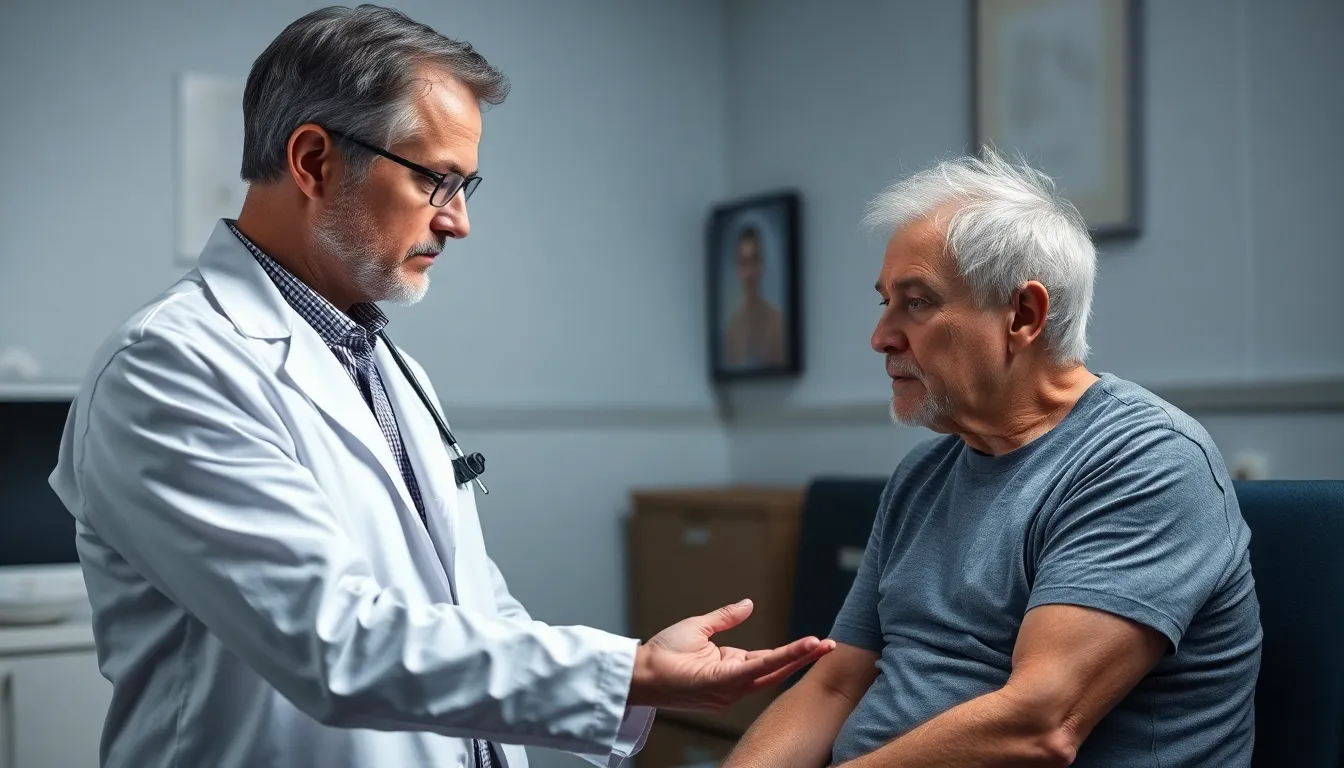
Recognizing the symptoms of stage 4 skin cancer is vital for timely intervention. These symptoms may vary based on the cancer type and its spread.
Common Symptoms of Stage 4 Skin Cancer
- Persistent lesions: Open sores or non-healing wounds on the skin that do not improve over time.
- Skin changes: New growths or changes in existing moles, including color, size, or shape.
- Pain: Unexplained, continuous pain in specific areas, often associated with metastasis.
- Swollen lymph nodes: Enlarged lymph nodes, particularly in the neck, armpits, or groin, indicating possible spread.
- Fatigue: Severe fatigue that does not improve with rest and affects daily activities.
- Weight loss: Unintentional weight loss that occurs without changes in diet or exercise.
- Breathing difficulties: Shortness of breath or persistent cough, signaling potential lung involvement.
Diagnostic Procedures
- Physical examination: A thorough review of the skin and lymph nodes by a healthcare provider to identify abnormal areas.
- Biopsy: A sample of skin tissue taken for analysis, allowing histological examination of cancerous cells.
- Imaging tests: Techniques such as CT scans, MRI scans, or PET scans visualize cancer spread to other organs.
- Blood tests: Evaluating liver function and tumor markers for indications of systemic involvement.
- Sentinel lymph node biopsy: Testing the first few lymph nodes receiving drainage from the primary tumor to assess metastasis.
Treatment Options
Stage 4 skin cancer requires a multi-faceted approach to treatment. Healthcare providers may recommend several techniques, often depending on individual circumstances and overall health.
Surgical Interventions
Surgical intervention remains a primary treatment for localized tumors at stage 4. Surgeons may perform excisions to remove tumor masses and affected lymph nodes, aiming to eliminate cancerous tissue. In some cases, surgeries may involve reconstructive techniques, helping to restore the skin’s appearance after tumor removal. Clear margins around the excised tissues enhance the chances of eradicating residual cancer cells.
Radiotherapy and Chemotherapy
Radiotherapy plays a dual role in stage 4 skin cancer. It can shrink tumors and alleviate symptoms, especially in cases where surgery is not an option. Chemotherapy often accompanies radiotherapy for aggressive cancers, using powerful drugs to target rapidly dividing cancer cells. These drug regimens may vary, with combinations tailored to maximize effectiveness while minimizing side effects.
Targeted Therapies and Immunotherapy
Targeted therapies and immunotherapies offer advanced options for patients with specific genetic markers or immune profiles. Targeted therapies focus on particular pathways involved in cancer cell growth, disrupting these processes and inhibiting tumor progression. Immunotherapy leverages the body’s immune system, stimulating it to recognize and combat cancer cells. Both treatment types have shown promising results, enhancing responses and prolonging survival rates in eligible patients.
Prognosis and Survival Rates
Stage 4 skin cancer often presents a challenging prognosis due to its advanced nature and potential spread to vital organs. Despite these challenges, various factors influence patient outcomes and survival rates.
Factors Affecting Prognosis
- Cancer Type: Prognosis varies based on the skin cancer type. Melanoma typically has a poorer outcome compared to non-melanoma types, such as basal cell carcinoma and squamous cell carcinoma.
- Metastatic Sites: The location of metastases significantly impacts prognosis. Spread to vital organs like the liver, brain, or lungs generally indicates a more severe condition.
- Response to Treatment: How well a patient responds to therapies, including immunotherapy or chemotherapy, affects their outlook. Some patients exhibit significant improvement, leading to better survival rates.
- Overall Health: Patient’s age, immune system status, and presence of comorbidities also play a crucial role in prognosis. Healthier patients often tolerate treatments better and experience enhanced survival chances.
Survival Statistics for Stage 4 Skin Cancer
Survival rates for stage 4 skin cancer can provide insight into expected outcomes, though they vary widely. According to the American Cancer Society:
| Cancer Type | 5-Year Survival Rate |
|---|---|
| Melanoma | 15-20% |
| Squamous Cell Carcinoma | 30-40% |
| Basal Cell Carcinoma | Nearly 100% (localized cases) |
These statistics reflect general trends and might not apply to every individual. Increased awareness and advancements in treatment approaches continue to improve survival outcomes for many patients.
Living with Stage 4 Skin Cancer
Living with stage 4 skin cancer poses significant challenges. Managing treatment side effects and emotional well-being becomes crucial for patients and their families.
Coping Strategies
Coping strategies enhance the quality of life for individuals facing this advanced disease.
- Maintaining Routine: Establishing a daily routine provides structure. It helps individuals maintain a sense of normalcy despite ongoing treatments.
- Engaging in Activities: Participating in enjoyable activities promotes mental health. Hobbies, light exercise, and social interaction can alleviate feelings of isolation.
- Adopting Healthy Habits: Eating a balanced diet and staying hydrated supports physical strength. Healthy habits can boost the immune system and improve overall well-being.
- Practicing Mindfulness: Employing mindfulness techniques such as meditation and yoga can reduce anxiety and stress. These practices foster emotional resilience.
- Seeking Psychological Support: Counseling can address emotional and psychological challenges. Support groups allow sharing experiences and feelings with others in similar situations.
Support Resources
Numerous support resources can assist patients and their families navigating stage 4 skin cancer.
- Healthcare Team: Oncologists, nurses, and palliative care specialists provide medical care tailored to individual needs. They offer guidance on treatment options and symptom management.
- Cancer Support Organizations: Organizations like the American Cancer Society and CancerCare provide educational resources, emotional support, and financial assistance.
- Survivor Networks: Connecting with survivor networks fosters community support. These networks share personal experiences, coping strategies, and practical advice.
- Online Communities: Virtual forums and social media groups create platforms for discussion. These online spaces promote communication and shared information among patients and caregivers.
- Local Support Groups: Local community centers and hospitals often host support group meetings. These gatherings offer a safe space to share feelings and receive encouragement.
Accessing coping strategies and support resources plays a vital role in managing stage 4 skin cancer. These elements contribute to improved emotional and physical well-being during a challenging time.
Stage 4 skin cancer presents significant challenges for patients and their families. Understanding the complexities of this advanced disease is crucial for navigating treatment options and managing symptoms. With a variety of therapies available and ongoing advancements in medical research, patients have more hope than ever for improving their quality of life.
Emphasizing awareness and early detection remains vital as it can greatly influence outcomes. Support resources play an essential role in helping patients cope with the emotional and physical toll of the disease. By staying informed and connected, individuals facing stage 4 skin cancer can find strength and resilience in their journey.