

Sustainable living isn’t just the latest trend that’s making eco-warriors swoon, it’s a profound lifestyle choice with benefits that ripple through our planet and communities. Is embracing a greener life about saving the whales? Sure. But it’s also about boosting your health, your local economy, and even your social circles. Let’s dive deep into the remarkable impacts of sustainable living, because who wouldn’t want to save the world while sipping organic coffee?
Environmental Benefits of Sustainable Living
Reduction in Carbon Footprint
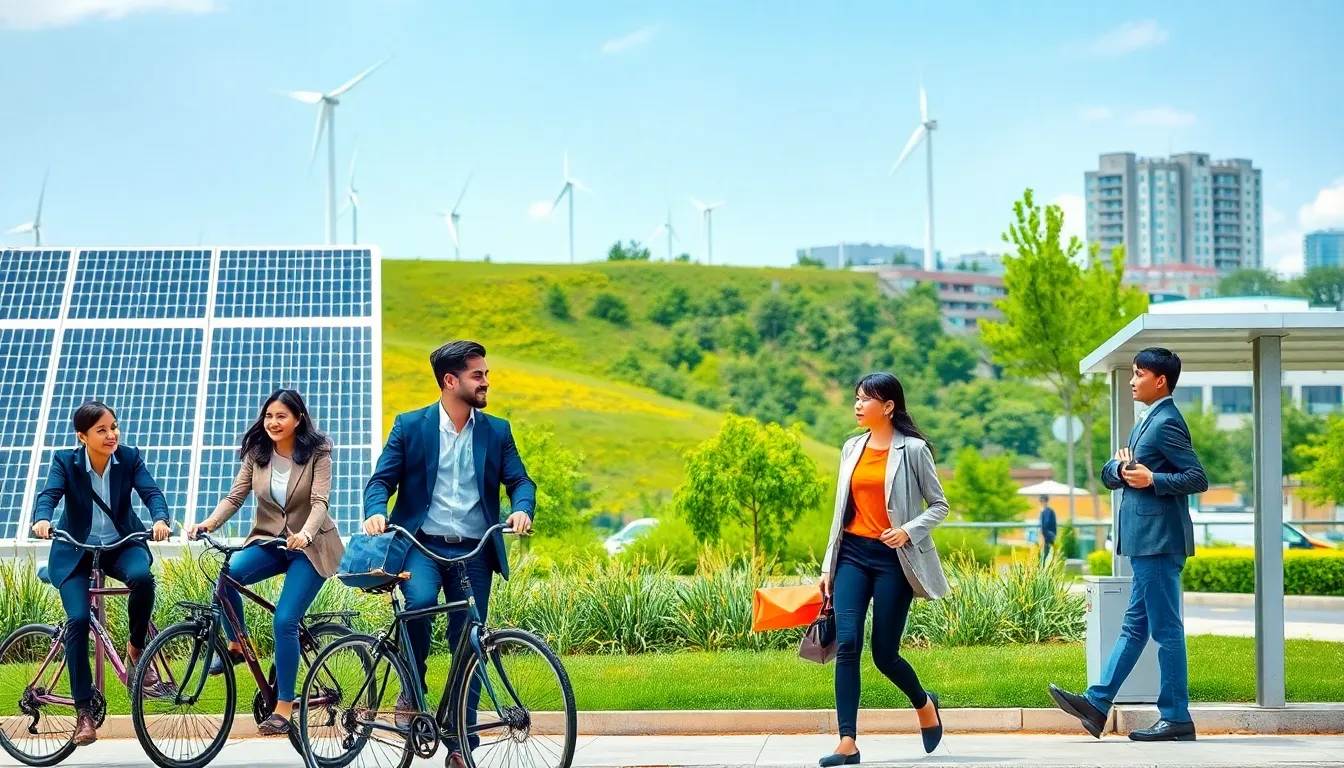
Embracing sustainable living significantly reduces the individual’s carbon footprint. When people opt for public transport, bike commuting, or even walking, they actively cut down on greenhouse gas emissions. Also, renewable energy sources like solar and wind power replace fossil fuels, leading to cleaner air and a healthier environment. As more individuals advocate for eco-friendly habits, cities begin transforming into greener spaces, fostering a collective responsibility towards the planet.
Conservation of Natural Resources
Sustainable living practices emphasize the judicious use of resources. By recycling, reusing, and repurposing, individuals minimize waste and conserve essential materials like water, minerals, and fossil fuels. This conscious consumption preserves resources for future generations, ensuring that everyone can benefit from the Earth’s bounty. Reporting an increase in sustainability initiatives, communities are turning waste into wealth, proving that one person’s trash can indeed be another’s treasure.
Biodiversity Preservation
The more people engage in sustainable practices, the more they contribute to preserving our planet’s biodiversity. Protecting ecosystems by supporting local wildlife, avoiding harmful pesticides, and planting native species leads to a balanced natural habitat. Through a combined effort, societies help maintain the intricate web of life, which eventually keeps our environment healthy and resilient.
Social and Economic Impact of Sustainable Living
Job Creation in Green Industries
The shift towards sustainable living breeds a plethora of job opportunities in renewable energy, organic farming, and sustainable construction. As demand for environmentally-friendly products and services skyrockets, companies hire skilled labor to meet these needs. Not only does this foster economic growth, but it also helps communities thrive by providing stable employment. Investing in green sectors means jobs that not only pay the bills but also contribute positively to the planet.
Community Development and Resilience
Sustainable living fosters stronger, more resilient communities. When residents come together to promote sustainability through local initiatives, like community gardens, clean-up drives, or workshops, they enhance social ties and boost collaboration. Investments in sustainable infrastructure lead to vibrant neighborhoods, reinforcing a sense of belonging. As these communities grow, their collective stewardship of the environment strengthens their resilience to economic or ecological crises.
Health Benefits Associated with Sustainable Practices
Improved Air and Water Quality
Switching to sustainable practices significantly improves air and water quality. For instance, reducing reliance on cars and fossil fuels lowers air pollution, contributing to healthier lungs and lives. On a broader scale, promoting clean energy sources reduces contaminants in water systems. Cleaner air and water can lead to fewer chronic health issues and a greater quality of life, underscoring the connection between environmental health and human well-being.
Promoting Healthy Lifestyles
Sustainable living directly promotes healthier lifestyles. Communities that prioritize local, organic food not only access fresher produce but also develop healthier eating habits. Also, traditional activities like biking, walking, and participating in community sports are integrated into daily routines, leading to improved physical and mental health. Adopting a sustainable lifestyle isn’t just about the planet: it’s about individual well-being too.
Challenges and Considerations of Sustainable Living
Accessibility and Affordability Issues
While the benefits of sustainable living are clear, many people face significant barriers. Access to eco-friendly products, renewable energy sources, and sustainable options can be limited, particularly in low-income areas. Also, the upfront costs of implementing sustainable practices can deter individuals from making changes. Also, ensuring that all communities can participate in the green revolution requires policy shifts and dedicated support from governments.