

In a world where caffeine often reigns supreme, many people seek a soothing alternative that won’t disrupt their sleep or increase their anxiety. Tea lovers can rejoice, as several delightful options exist that are completely caffeine-free. Whether it’s for health reasons or simply a preference for a calming beverage, knowing which teas fit the bill can enhance one’s tea-drinking experience.
From herbal blends to naturally caffeine-free varieties, the options are vast and varied. These teas not only provide a comforting ritual but also offer unique flavors and potential health benefits. Discovering what tea has no caffeine opens up a world of relaxation and enjoyment, perfect for any time of day.
Understanding Caffeine in Tea
Caffeine serves as a natural stimulant found in various tea types, primarily in traditional varieties like black, green, and white tea. The caffeine content varies significantly, influenced by factors such as the type of tea leaf, processing methods, and brewing time.
While caffeine offers benefits like increased alertness, many individuals prefer caffeine-free tea options due to health reasons or personal preferences. Caffeine-free options allow for tea consumption without the potential side effects associated with caffeine, including insomnia and heightened anxiety.
Different tea types provide unique responses to caffeine. For example:
- Black Tea: Contains the highest caffeine levels, ranging from 40 to 70 mg per 8 oz serving.
- Green Tea: Contains moderate caffeine levels, averaging between 20 to 45 mg per 8 oz serving.
- Herbal Tea: Typically caffeine-free, as these teas are made from flowers, leaves, or roots of non-tea plants.
Consumers can choose from a variety of herbal tea options that deliver unique flavors and potential health benefits without caffeine. Chamomile, peppermint, and rooibos are popular choices known for their calming effects and can be enjoyed throughout the day or before bedtime.
Types of Caffeine-Free Tea
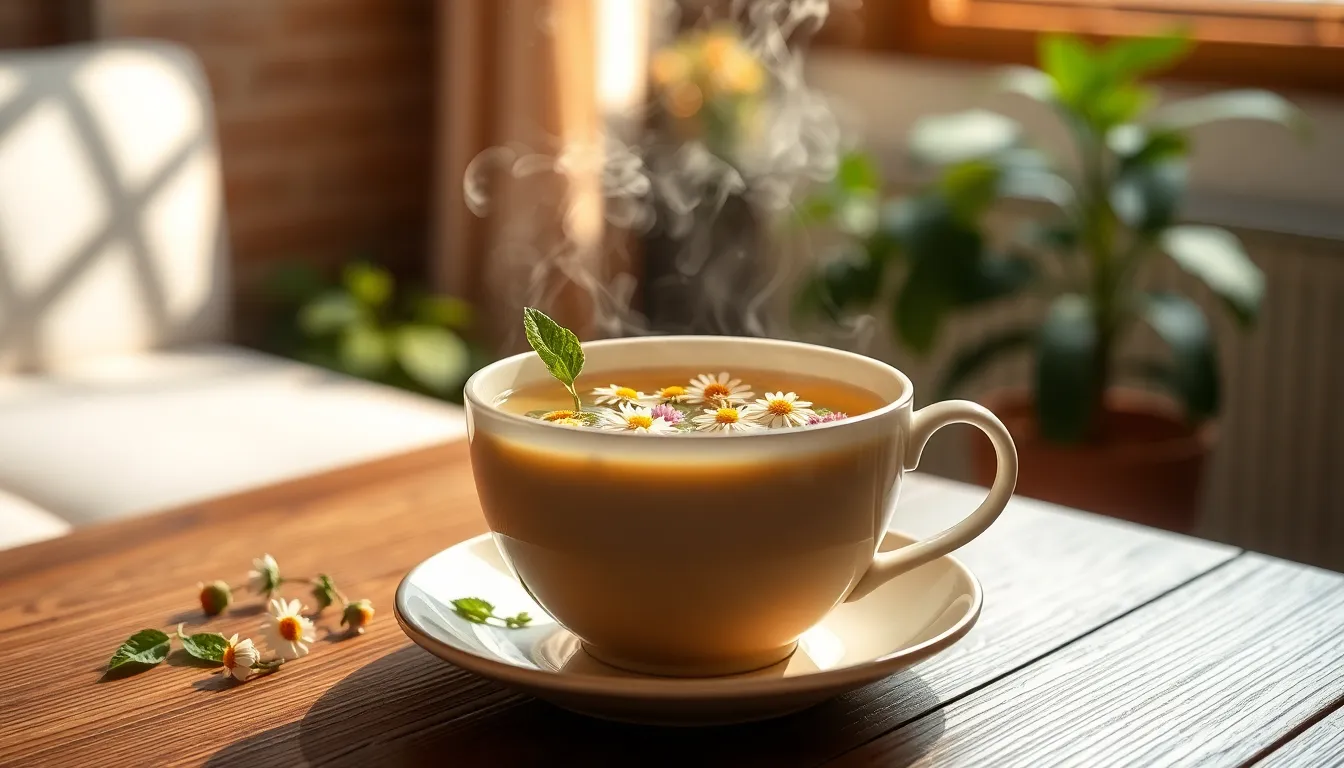
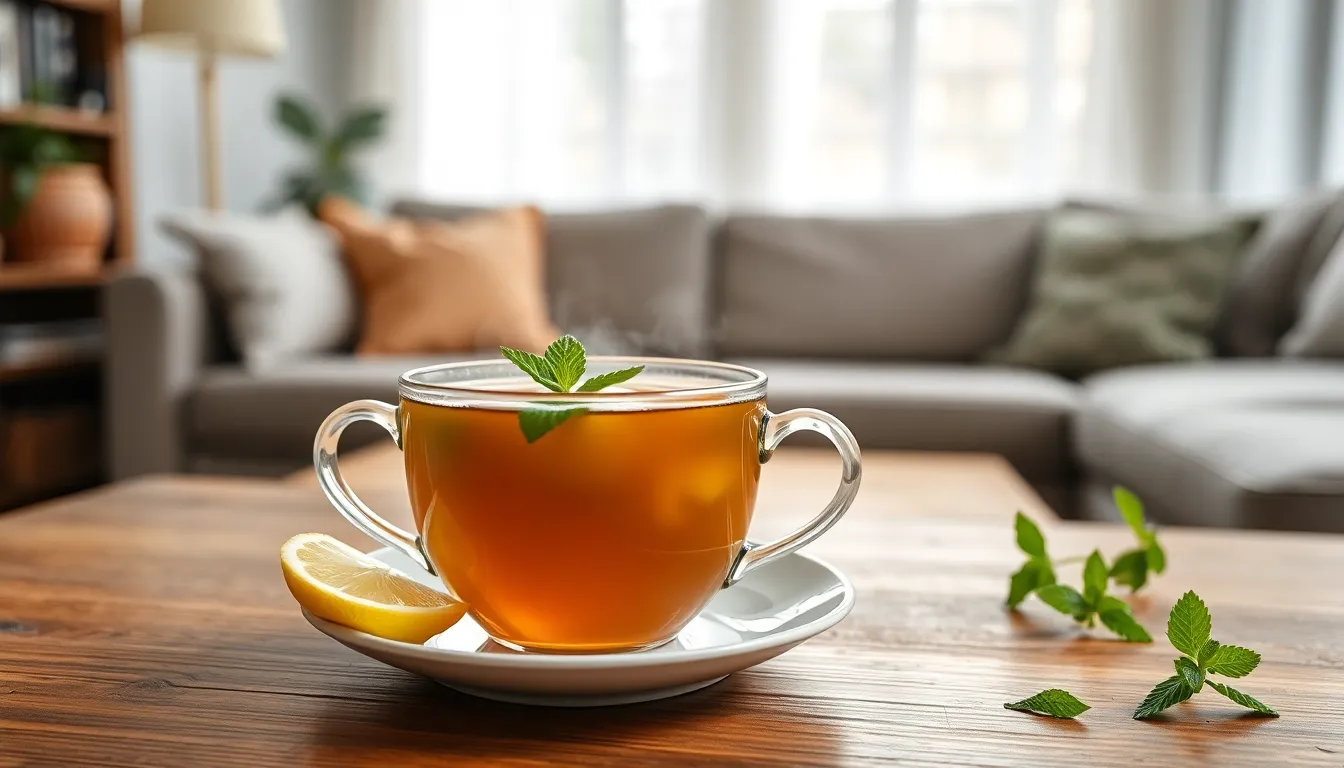
Caffeine-free tea options include a variety of herbal selections, rooibos, and decaffeinated green tea. These alternatives offer unique flavors and benefits without the stimulating effects of caffeine.
Herbal Teas
Herbal teas originate from various plants, flowers, and fruits, providing numerous health benefits and flavors. Popular options include chamomile, known for its calming properties; peppermint, which aids digestion; and hibiscus, celebrated for its antioxidant content. These naturally caffeine-free blends provide hydration and comfort, making them suitable for any time of day or night.
Rooibos Tea
Rooibos tea, derived from the Aspalathus linearis plant, features a naturally caffeine-free profile. This South African tea boasts a rich, sweet flavor with hints of vanilla. Rooibos contains antioxidants, supporting overall health and well-being. It also has anti-inflammatory properties, making it an excellent choice for relaxation and unwinding.
Decaffeinated Green Tea
Decaffeinated green tea undergoes a process that reduces its caffeine content while retaining its health benefits. This tea retains the same nutrients and antioxidants found in regular green tea, making it a popular choice for those avoiding caffeine. Drinkers can enjoy the subtle grassy flavor without experiencing the jitteriness linked to traditional green teas.
Benefits of Caffeine-Free Tea
Caffeine-free teas offer a range of health benefits and promote overall well-being, making them an excellent choice for tea enthusiasts. These blends provide an opportunity for relaxation without the adverse effects associated with caffeine.
Health Benefits
Caffeine-free teas contribute to several health benefits. Herbal selections like chamomile and hibiscus contain antioxidants that support immune health. Peppermint aids digestion and alleviates headaches. Rooibos tea’s rich antioxidant profile can combat free radicals, promoting skin health and reducing inflammation. Consuming these teas regularly assists in maintaining overall wellness and encourages a balanced diet.
Sleep Improvement
Caffeine-free teas promote better sleep quality. Chamomile, known for its calming properties, acts as a natural sleep aid. Its compounds help relax the body and mind, making it ideal for evening consumption. Valerian root, found in various herbal blends, also enhances sleep by reducing anxiety. Incorporating these teas into a nightly routine encourages restful sleep and supports overall health.
How to Choose Caffeine-Free Tea
Choosing caffeine-free tea involves considering flavor preferences, health benefits, and ingredients. Opt for teas based on the following criteria:
- Ingredient variety: Seek herbal blends that incorporate a range of plants, flowers, and fruits. Popular choices include chamomile, hibiscus, and peppermint. Each offers distinct flavors and health benefits.
- Flavor profile: Identify preferred flavors. Chamomile brings a floral sweetness, while peppermint offers a refreshing minty taste. Rooibos has a naturally sweet and earthy profile. Taste testing different types can help find the right choice.
- Health benefits: Investigate the health benefits associated with various caffeine-free teas. For instance, chamomile can promote relaxation, hibiscus supports heart health, and peppermint assists in digestion. Selecting teas that align with specific health goals enhances enjoyment.
- Quality sourcing: Choose high-quality, organic options for maximum flavor and health benefits. Organic teas often contain fewer pesticides, ensuring a cleaner product overall.
- Brewing methods: Understand optimal brewing times and temperatures for each type of tea. Herbal teas generally require longer steeping times to extract full flavor and benefits. Following brewing instructions ensures the best tea experience.
- Availability: Check local shops or online retailers for a wide selection of caffeine-free teas. Many specialty tea shops curate diverse collections, making it easier to find unique blends.
By evaluating these factors, it’s possible to select the ideal caffeine-free tea that satisfies personal preferences and supports overall well-being.